Materials · Full Pipeline
Glaze Kiln
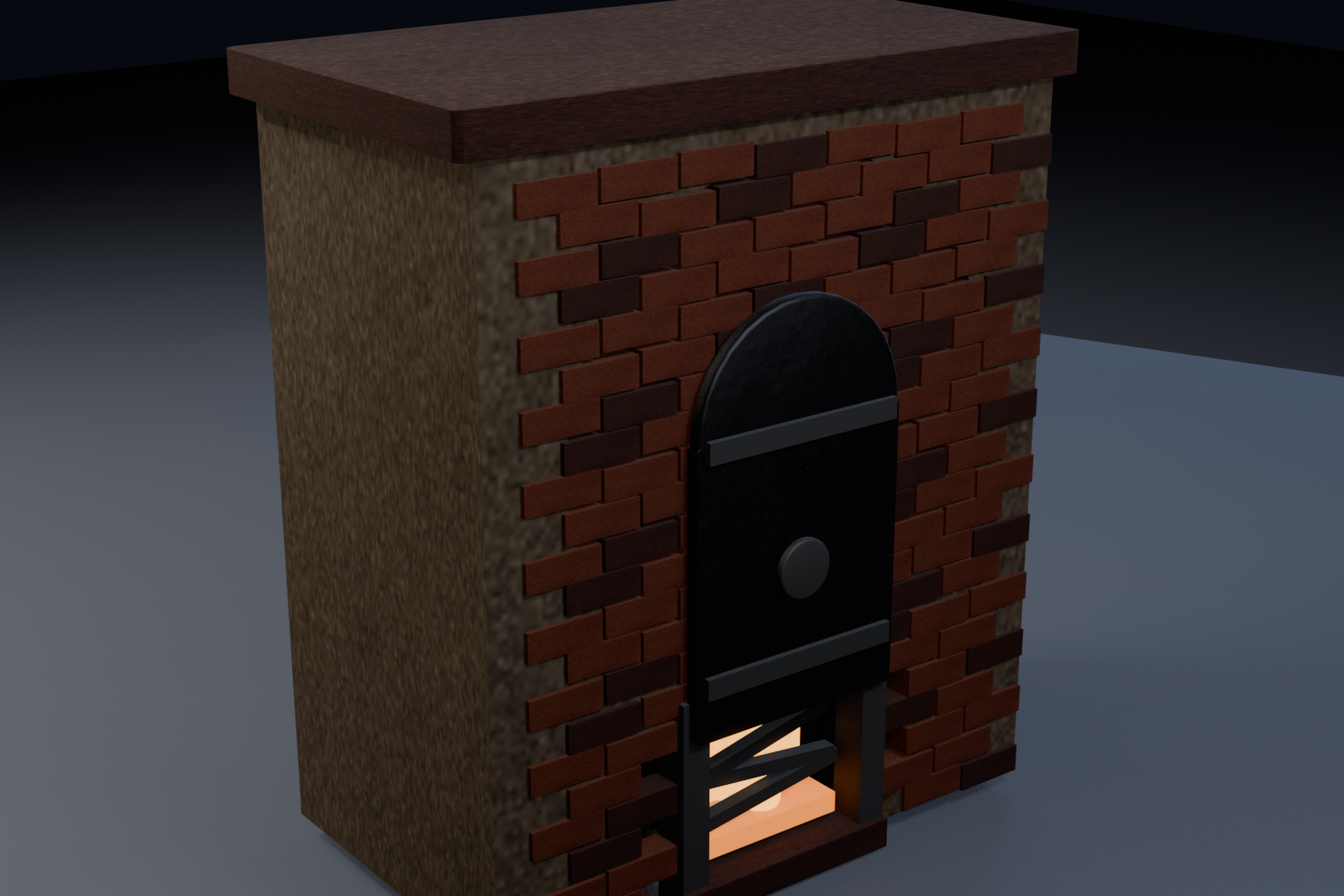
Fire a load of glazed pots to temperature: work the bellows to drive the heat, swing the iron door to vent, and hold the kiln inside a narrow band while the glaze matures - push past it and the glaze bloats and you lose ground. The pots change as they fire, from chalky matte slip to deep gloss, and TAB moves in for a close look. Underneath it, a measured test of whether runtime detail maps shade at all in a code-built WebGL build.
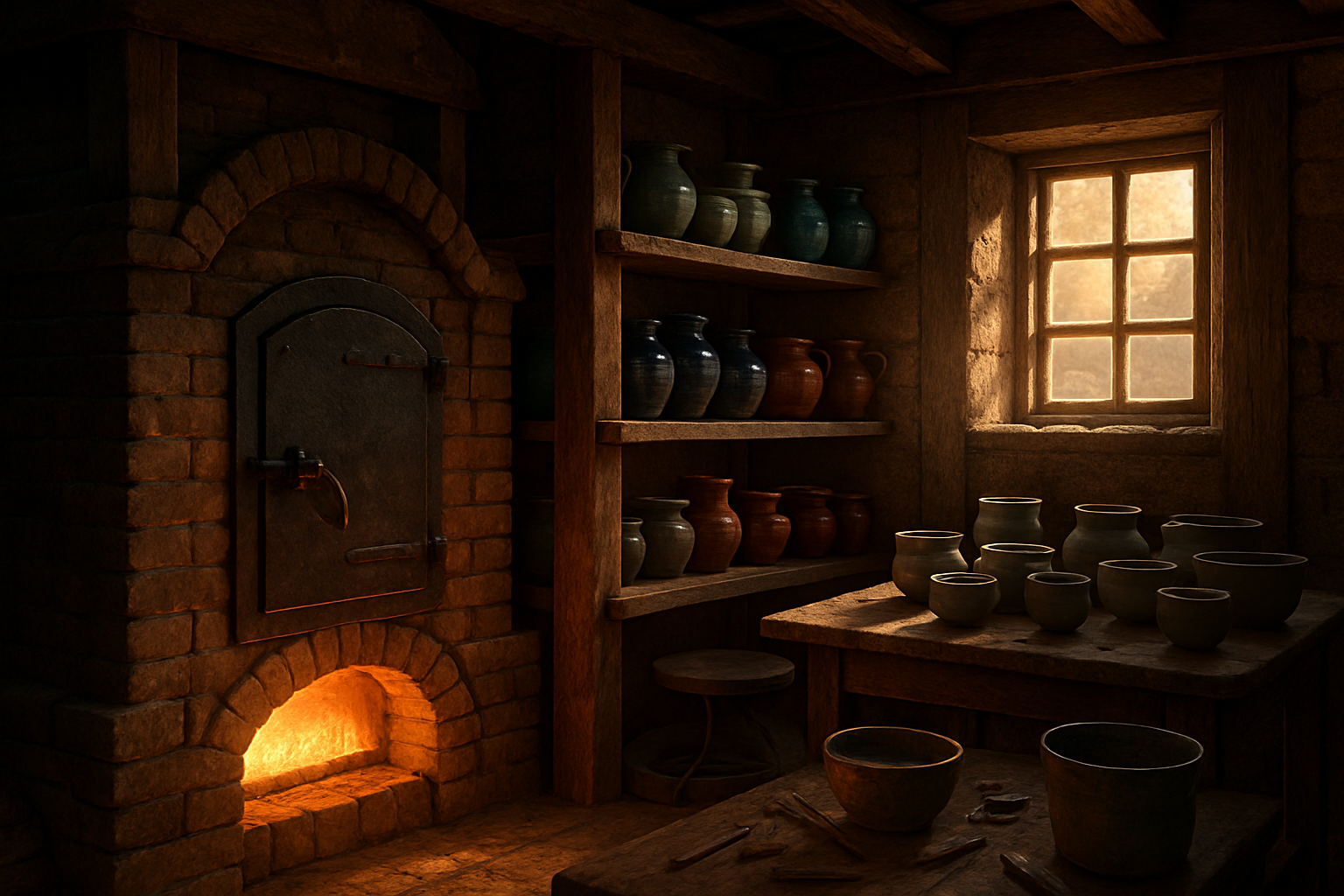
Concept prompt
A potter’s yard at night: a squat brick kiln with an arched iron door and a firebox glowing through its open mouth, rough plank shelving stacked with glazed jars in celadon, cobalt and oxblood beside unfired grey clay bowls, the whole yard lit almost entirely by the fire.
Tap once for sound - tap/space low = pump, high = release - R resets
Open fullscreen ↗
Made by AI, compiled by the real Unity 6 engine. This piece is an experiment with its control group left visible. In ninety cycles this lab had never once used Unity's own animation system — every piece animated by hand in code — and two engine features tested here before, distance fog and GPU instancing, turned out to be silently stripped from a code-built WebGL build. An AnimationClip built entirely at runtime is the same shape of thing: no saved asset, nothing for the build pipeline to see and keep. So the lion's head is loaded twice. The left head is driven by the runtime clip; the right head is driven by hand with the same curve, the same period and the same amplitude. The panel reports how far each one actually travelled since boot, because a rig that never leaves its starting value is inert no matter how alive the scene looks. Both bindings pass — position and rotation alike — and the clip matches its control to three digits, which is the opposite of what fog and instancing did. The lion, drum, drummer and lanterns are code-modeled Blender exports; the head is seated on the body from its measured renderer bounds rather than by eye.