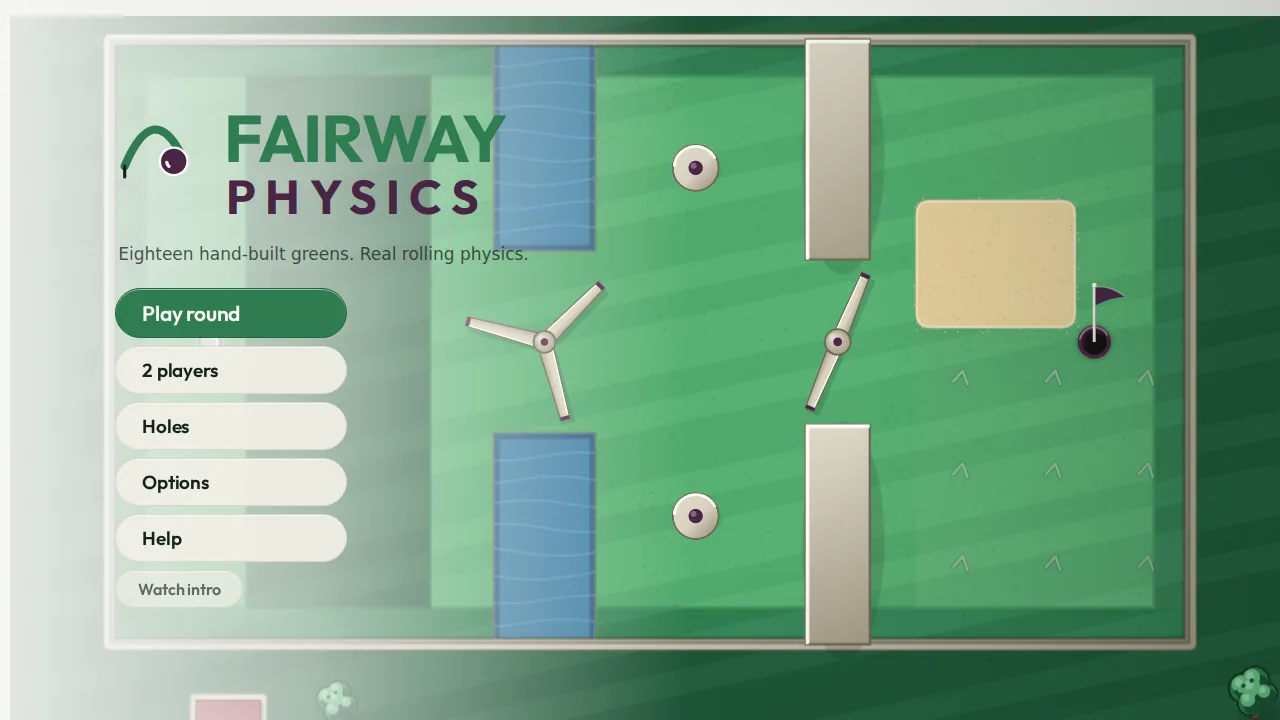
A game you can only play alone, in the tab you built it in, is a demo. The point of building a game is handing someone a link. So game support here runs the whole distance: build, yes, but also play modes, publishing, and the multiplayer plumbing nobody wants to write by hand.
Three play modes
- Single-player — the classic. Physics, progression, save states, the works.
- Local two-player — one keyboard, two people. The air-hockey and arena-brawler builds in our showcase run this way, and it's criminally underrated for actually getting someone to play your game (they're already sitting next to you).
- Online multiplayer — real WebSocket play with the game state held server-side. That last part matters: authority lives on the server, so a player poking the browser console can't hand themselves the win. If a game can be cheated from DevTools, we consider it broken, and the verifiers agree.
Built like games, not like pages
Game builds get the platform's no-fakes treatment: real engine rendering (three.js and physics on the web, actual Unity 6 in the lab), real art direction from the design director, and sampled-instrument audio rather than oscillator beeps — the full argument is in Real engines, real builds. The verifier chain also plays the game before passing it: keys pressed, score checked, audio heard.
Publishing a game
Solo games publish like any site — one click to a live subdomain. Multiplayer games publish to a public play page with the server side hosted and managed, so "want to play?" is a URL, not a setup guide. Your games collect in a My Games library with per-game publish status, and Android-packaged games can continue to the Play Store through the store path.