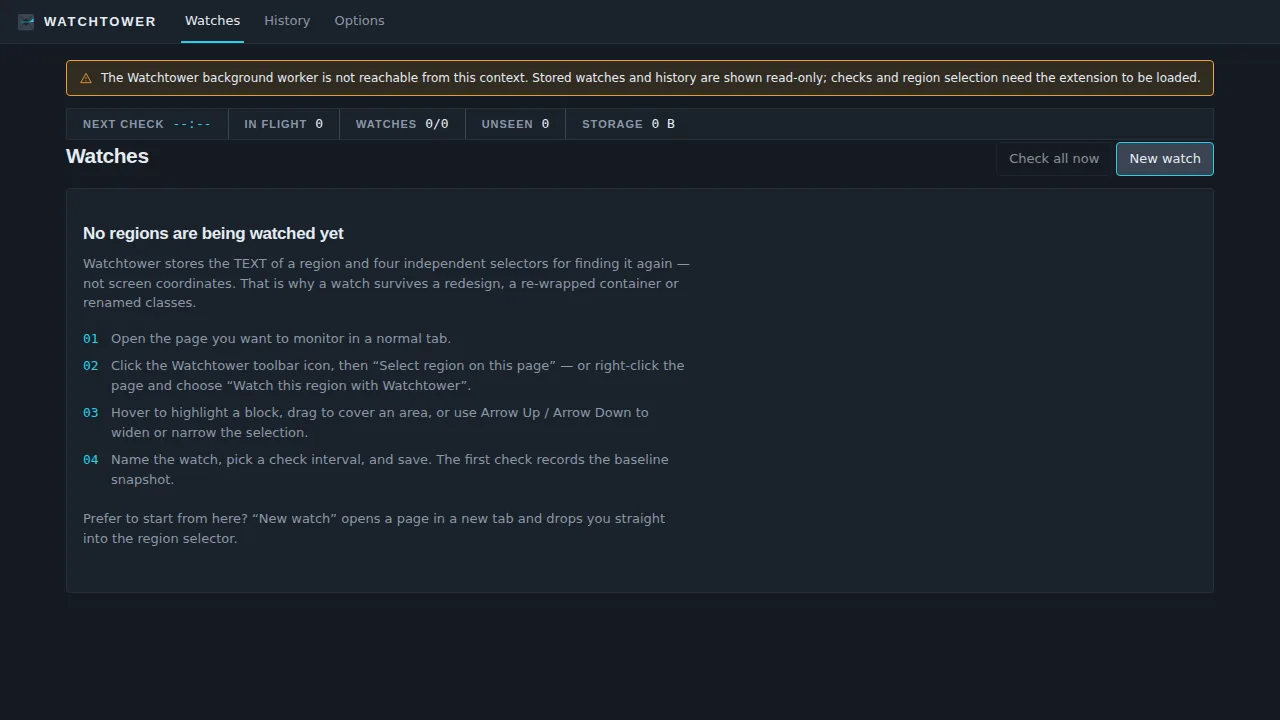
Real extensions, store-ready by construction
Extensions live or die on store review — and store review cares about permissions, manifests and privacy claims. The builder treats those as first-class, not paperwork.
MV3 without reading a single migration doc
The current manifest standard both stores require, the service-worker background model it implies, and a popup/options UI styled like a product — from a plain-language description of the behavior.
- Manifest V3, correct from generation
- Popup, content scripts or background watcher — shaped by your description
- Icon family at every size the stores demand
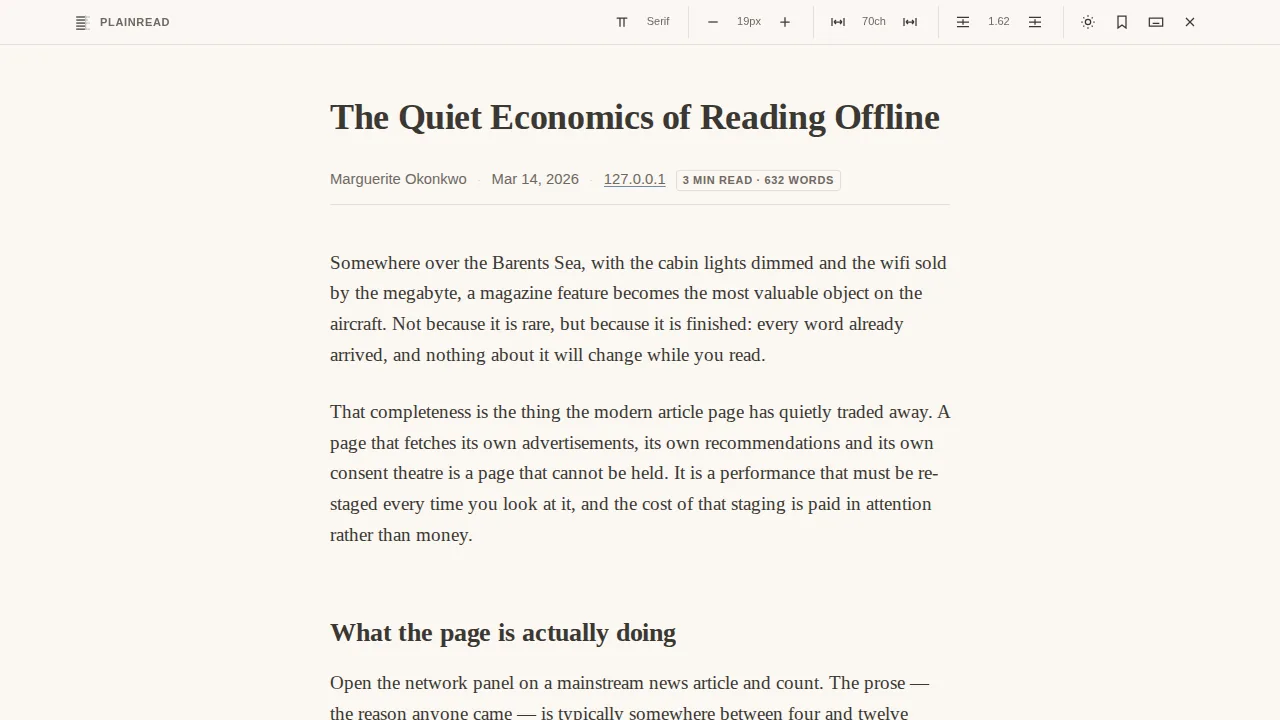
Ask for less, pass review faster
Over-asking is the top review trap and an accidental privacy claim. The build requests only the permissions the behavior needs — and every request comes with a written justification for the listing.
- Permissions derived from behavior, not templates
- Per-permission justifications generated
- Privacy answers checked against the actual code
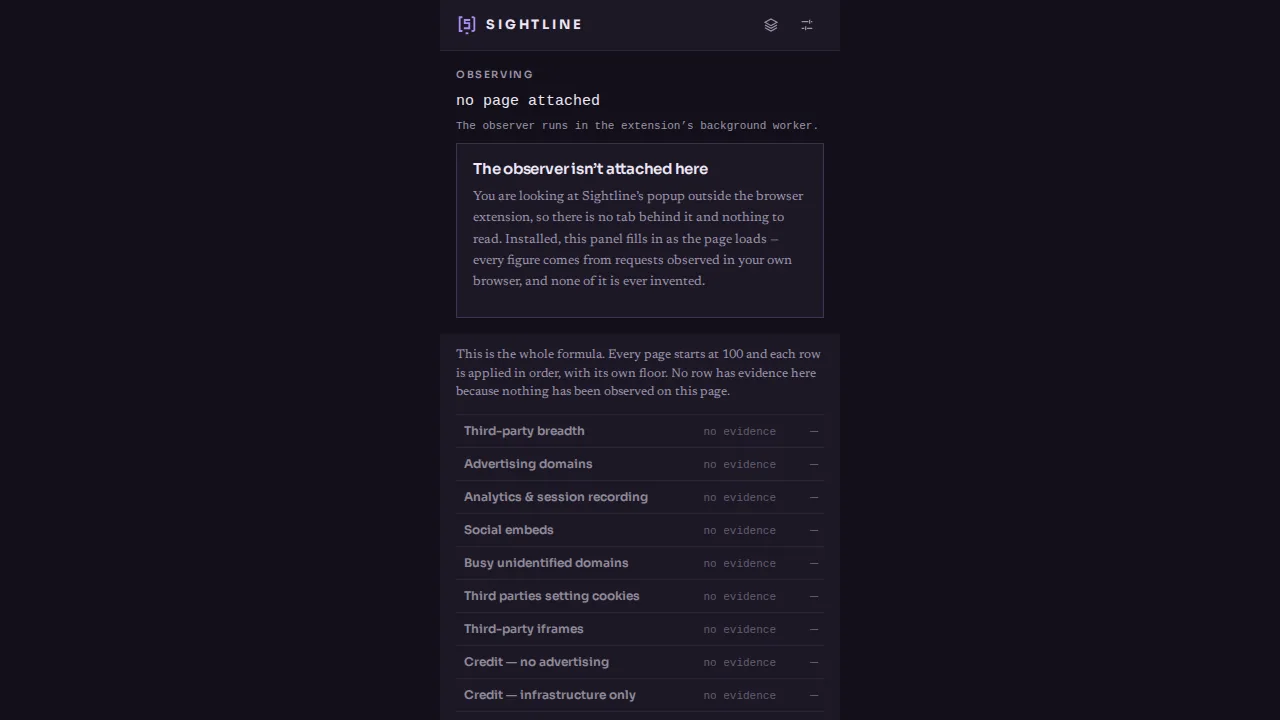
Chrome and Firefox, through your accounts
The listing kit — screenshots, copy, permission justifications, a published privacy policy — generates from the build. Firefox ships fully hands-off via API; Chrome gets console autofill down to the last checkbox.
- Firefox Add-ons: upload to listing with no console visit
- Chrome Web Store: kit + autofill, you click publish
- Re-ships bump versions and update listings automatically