Real engines — no canvas fakes, no beeps

The AI game builder that makes actual games

Real engine rendering, art direction that commits, music from sampled instruments, physics that behave, multiplayer that can't be cheated from the console — and a verifier that plays the build before you see it.

Arcade & actionPuzzlePhysics gamesIdle & managementLocal 2-playerOnline multiplayer
The no-fakes rules

Games that look, sound and feel made

Three bans shaped this builder: no 2.5-D canvas fakes, no oscillator beeps, no cheatable multiplayer. What's left is the real thing.

Real rendering

Engines, not tilted rectangles

Web games run a bundled three.js + physics stack; the public Unity Lab compiles through the actual Unity 6 engine with assets authored in Blender against concept art — the full pipeline, receipts public.

  • Real 3D on the web via a bundled engine stack
  • Concept-first art: paint it, then build it until it matches
  • See the quality bar live in the Unity Lab
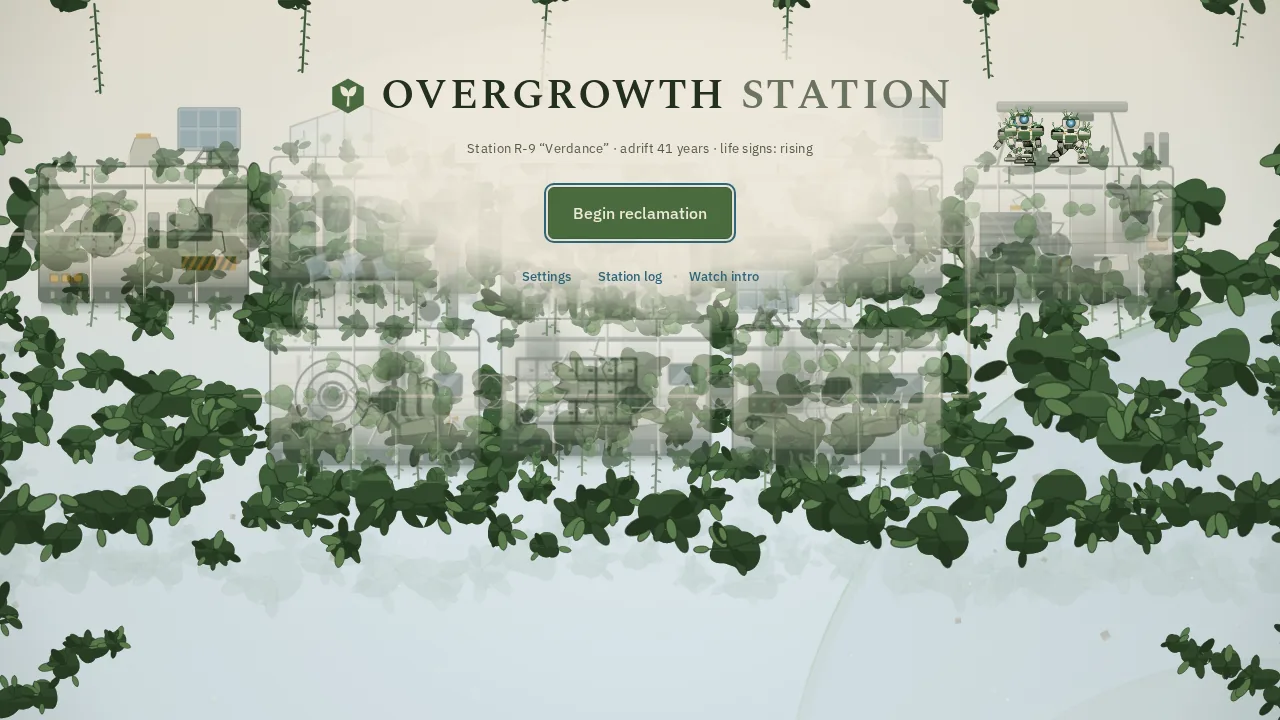
Overgrowth Station — an idle reclamation game
Committed art & audio

A world, not an asset dump

The design director commits each game to an art direction — palette, sprites, UI chrome, mood — and the score is performed from an 86-instrument sampled library with layered melody, bass and ambience. No beeps, anywhere.

  • Per-game art direction from concept art
  • Sampled-instrument music and SFX, composed per mood
  • Full-scene worlds: terrain, background, props at hero quality
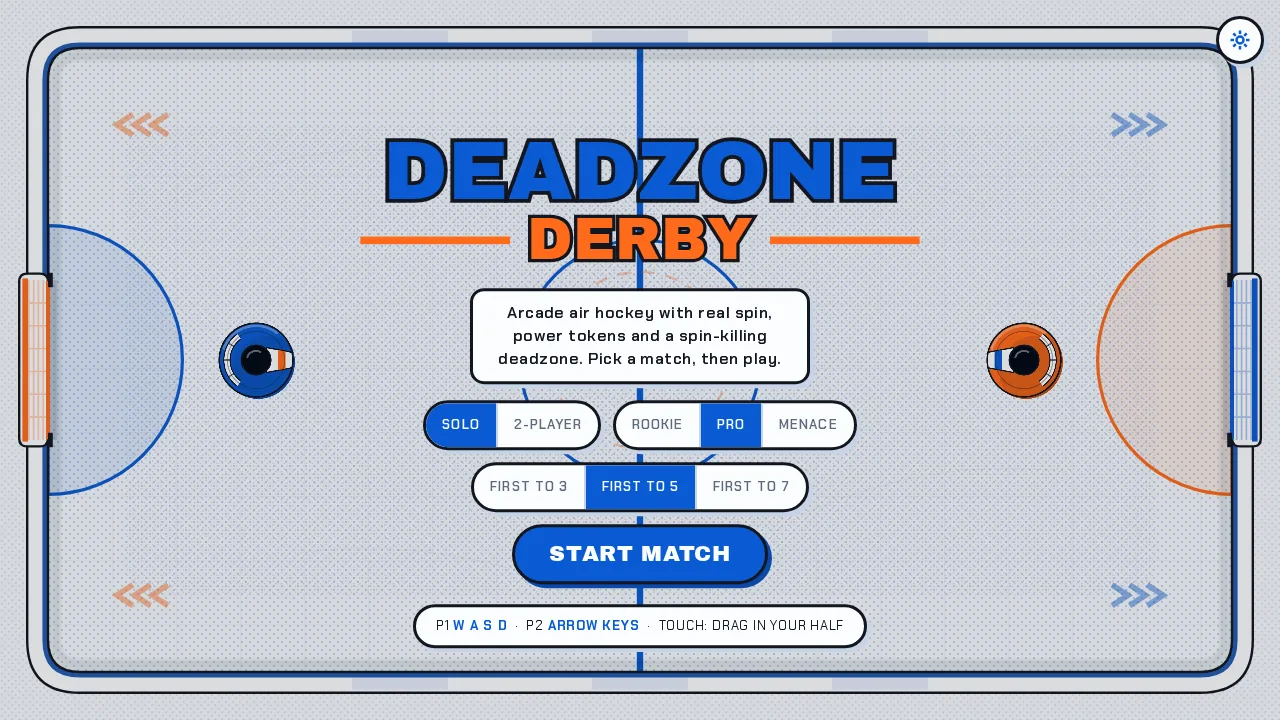
Deadzone Derby — local 2-player physics air hockey
Actually playable together

Local 2P and real multiplayer

One-keyboard local two-player for the couch, and online multiplayer over WebSockets with the game state held server-side — a player poking DevTools can't hand themselves the win.

  • Local two-player on one keyboard
  • Online play with server-side authority
  • Published play pages: “want to play?” is a URL
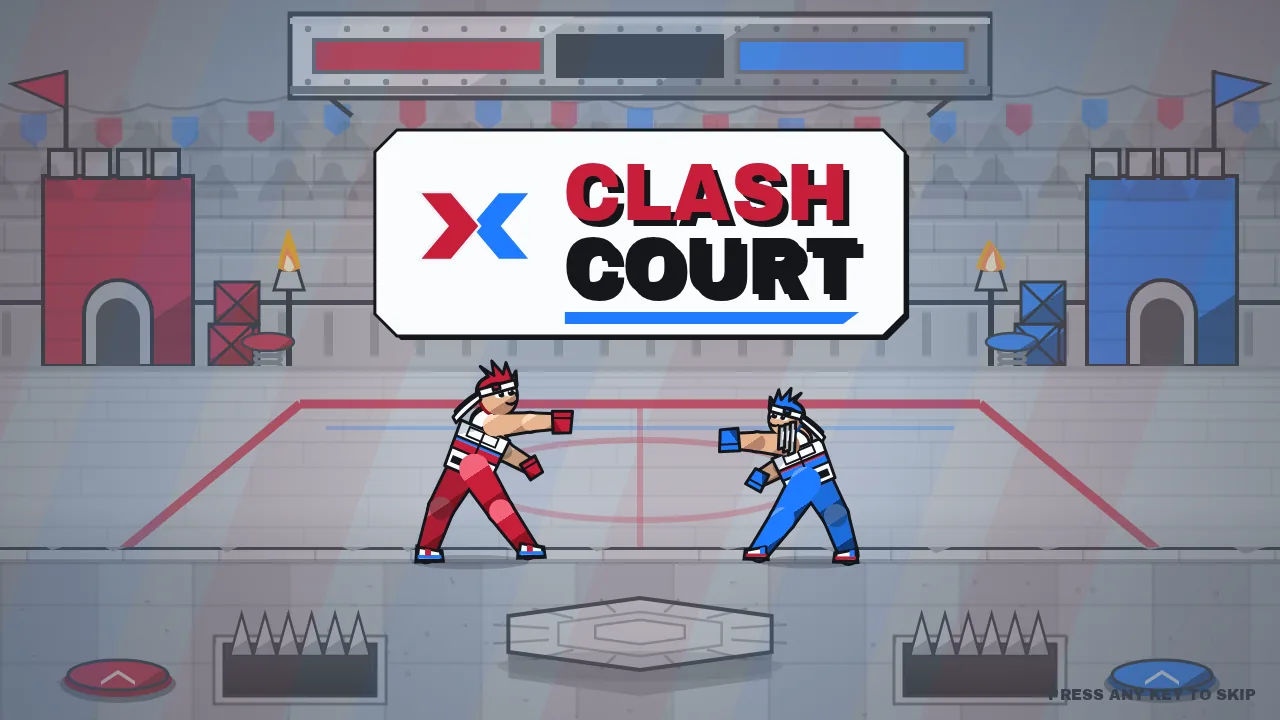
Clash Court — a two-player arena brawler
How it works

From genre to playable link

The verifier plays it so your players don't debug it.

1

Describe the game

Genre plus the defining constraint: “two-player air hockey, real physics, one keyboard.”

2

Approve the plan

Mechanics, mode (solo / local 2P / online), art mood — settled before the build.

3

Watch it build

World, mechanics, art, score. The live preview is the actual game, playable mid-build.

4

It gets played

The in-browser verifier presses the keys, checks the score moves, listens to the audio — plus the full verify chain, until clean.

5

Publish the link

Solo games to your subdomain; multiplayer to a hosted public play page. Android builds can continue to Google Play.

After the build

A game with a life after launch

Games are products too: distribution, players, iteration.

Play pages & stores

Public play URLs with hosted multiplayer servers; Android packaging through the real toolchain and Play submission through your account.

Player tracing

Analytics on your game's pages (hostname-filtered) and store installs for shipped builds — daily, one dashboard.

Iterate on feel

“The jump floats too long” is a valid change request. New version, verified by playing, old version intact.

My Games library

Every game with its mode, publish state and per-game actions in one place.

Built in

Everything the game builder ships with

2D and 3D

Sprite games and true-3D worlds on a real engine stack.

Three play modes

Single-player, local two-player, online multiplayer with server authority.

Sampled audio engine

86 instruments + recorded ambience; scores composed per game.

Cheat-proof by design

Server-authoritative state for online play — verified, not promised.

The public quality bar

The Unity Lab and Blender Studio publish every build with its iterations — the receipts behind these claims.

Verification record

Including the playability pass — what was played, what was heard.

Ideas

Games people start with

A metroidvania with ability gatesLocal 2P air hockey with real physicsAn idle station-reclamation simA top-down mini-golf courseA chain-fusion merge puzzleA 3v3 auto-battler
FAQ

game builder FAQs

Are the 3D games really 3D?+
Yes — a real engine stack on the web, and the actual Unity 6 engine in the public lab. The 2.5-D canvas shortcut is banned outright; see Real engines, real builds.
Can two people play?+
Locally on one keyboard, or online over WebSockets with the state held server-side so browser tampering can't cheat. Multiplayer publishes to a hosted public play page.
What does the music actually sound like?+
Like instruments — because it is: an 86-instrument sampled library plus recorded ambience, composed per game's mood. Oscillator beeps are treated as defects, not placeholders.
Is the build checked before I get it?+
Yes — every build runs a verify → fix → re-verify loop (code review, security audit, links/SEO, accessibility, conformance, an in-browser run) and the loop keeps iterating until the verifiers find nothing left to fix. Details: How builds verify themselves.
Can I put my game in an app store?+
Android builds package as signed bundles through the real toolchain and ship to Google Play through your developer account, listing kit included.
Do I own what I build?+
Yes — prompts, content, and the built product are yours, including commercial use (Terms §5). Publishing and store accounts are in your name, not ours.
Can I try it for free?+
Yes — the free plan includes every builder and the full verification chain, with a monthly credit allowance and no card at signup. See what the free plan actually includes.

More answers in the full Q&A and the handbook series.

More builders

Play it before breakfast.

A real game — art, physics, music, multiplayer — from one sentence. The verifier plays it first; you publish the link.

Start building free