Henge Survey
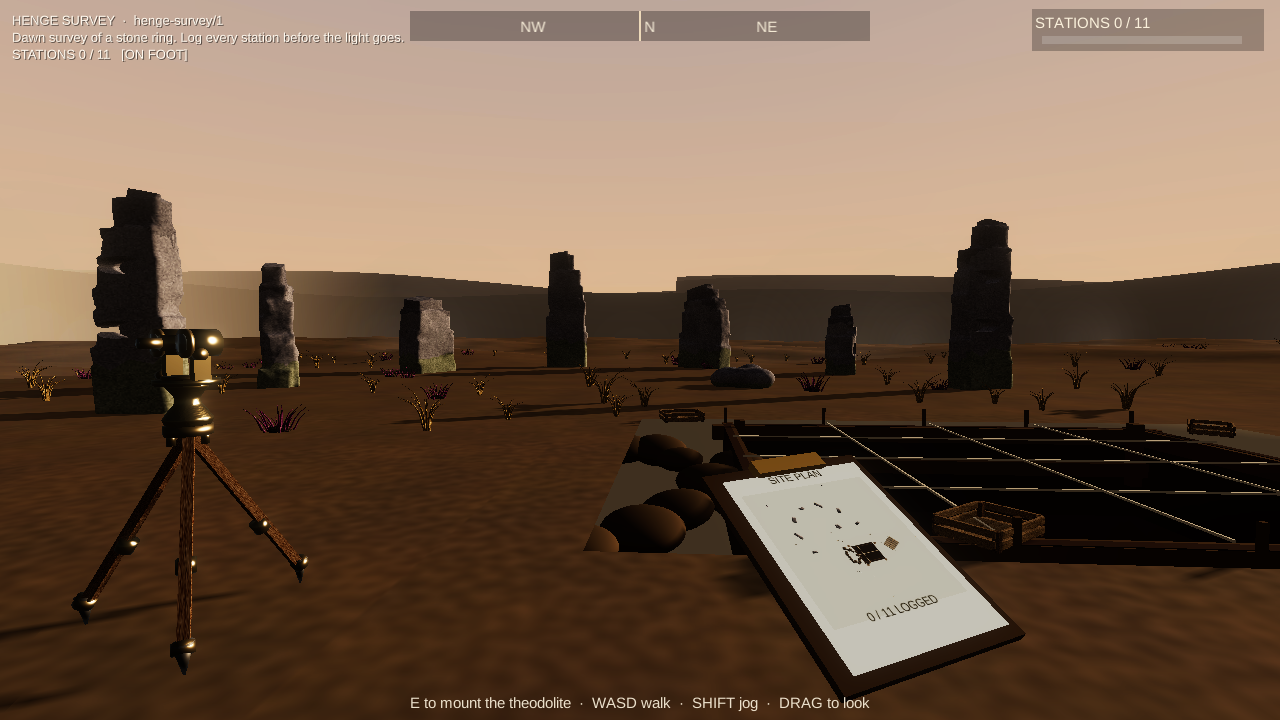
Dawn on a highland moor, and the light is right for about ten minutes. You are the surveyor: walk the site, stand to the theodolite, and lay the cross on each station in turn - every standing stone, the fallen one, the tent, the two trench corners. Each shot you take lands as a red dot on the site plan clipped to the board in your hand, and when the last station is in, the plan closes and tells you what the ring actually measures. The bearing readout under the reticle is not decoration - it is how you know what you just logged.
Play it now
Tap once for sound - WASD walks - SHIFT jogs - drag to look - E mounts the theodolite - click shoots a station - R new sheet
The concept is the contract
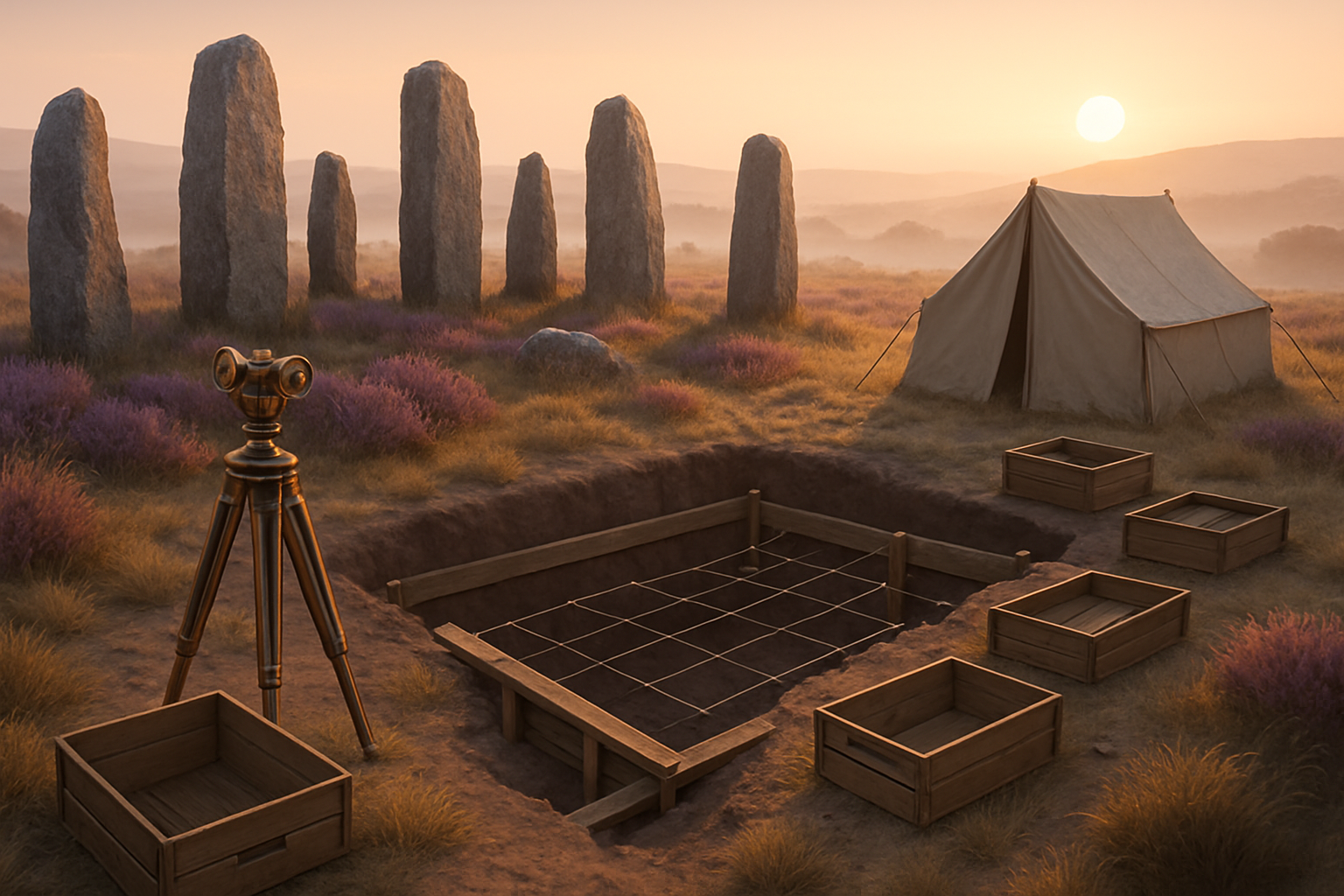
The piece was concepted first — an AI key-art painting — and its hero assets were then code-modeled in headless Blender and audited against that concept. The pair below is the contract and the build.
Concept prompt
high-end stylized 3D game render, archaeological survey camp at dawn on a highland moor, a ring of tall weathered granite standing stones, a canvas wall tent, an open excavation trench with timber shoring and a peg-and-string survey grid, a brass theodolite on a wooden tripod, wooden find crates and trays, heather and tussock grass, low drifting ground mist, distant rolling hills, low golden sun raking across the stones casting long shadows, palette weathered grey-lilac granite, heather purple, warm brass, olive ochre moor, peach dawn sky
Code-modeled in Blender
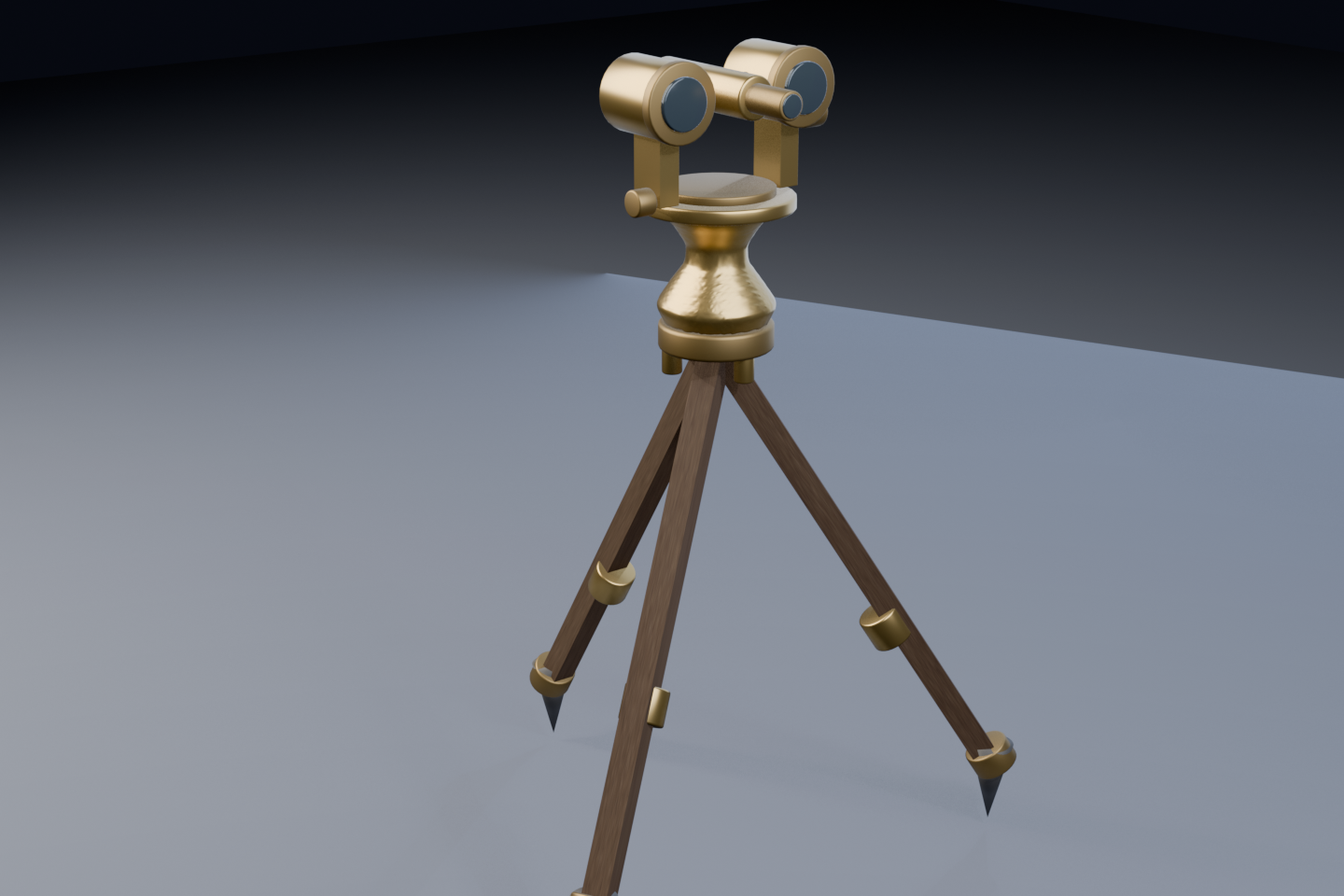
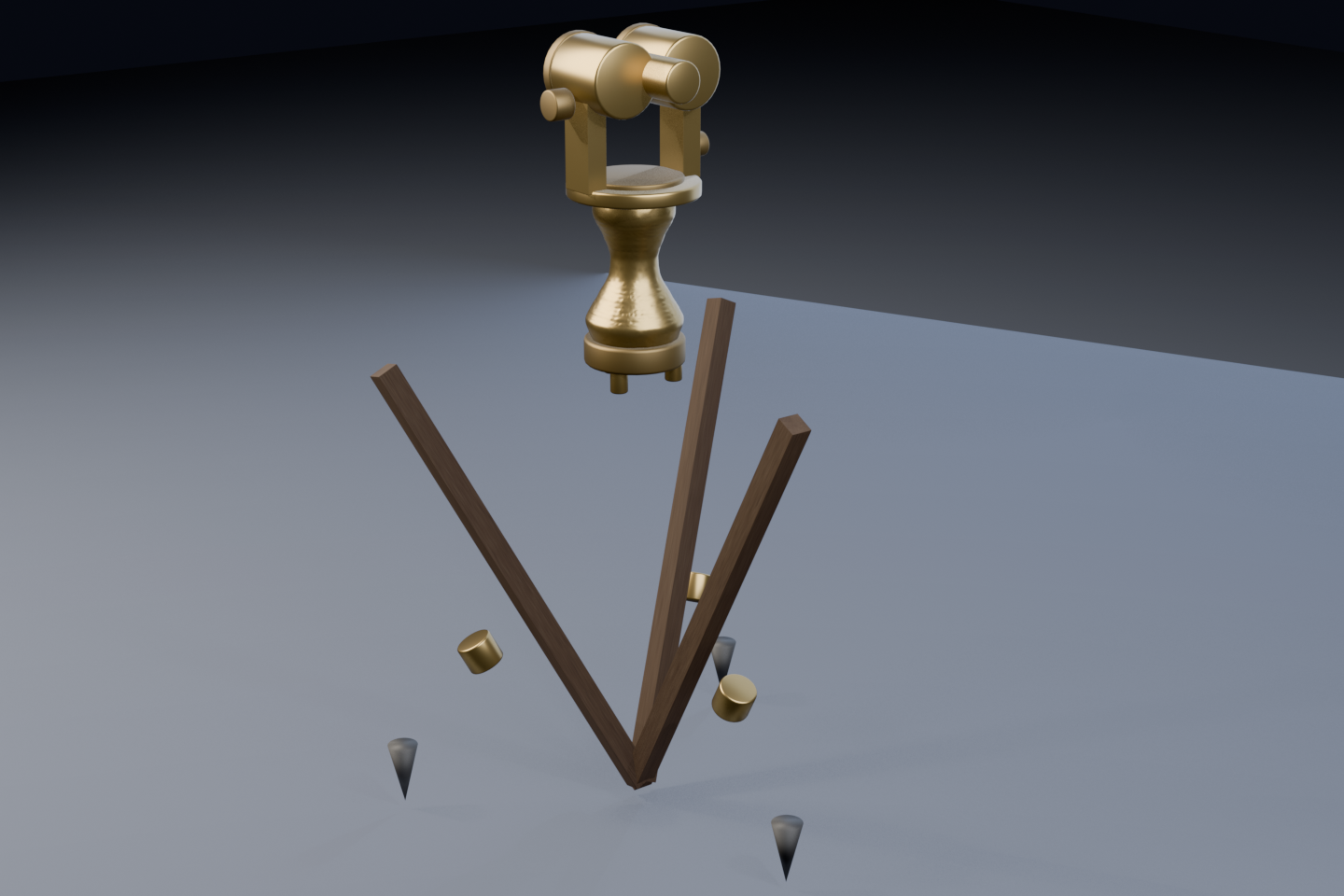
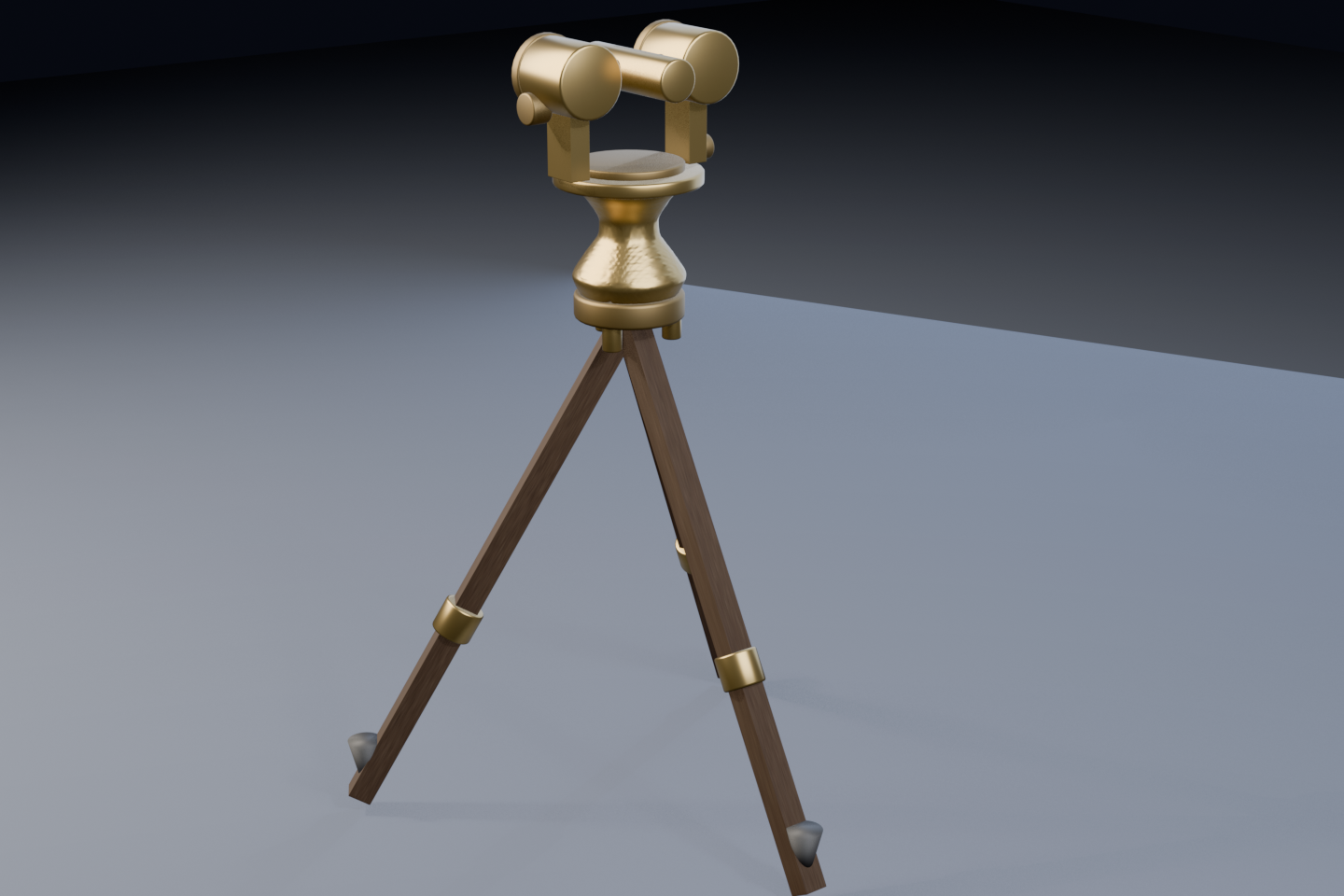
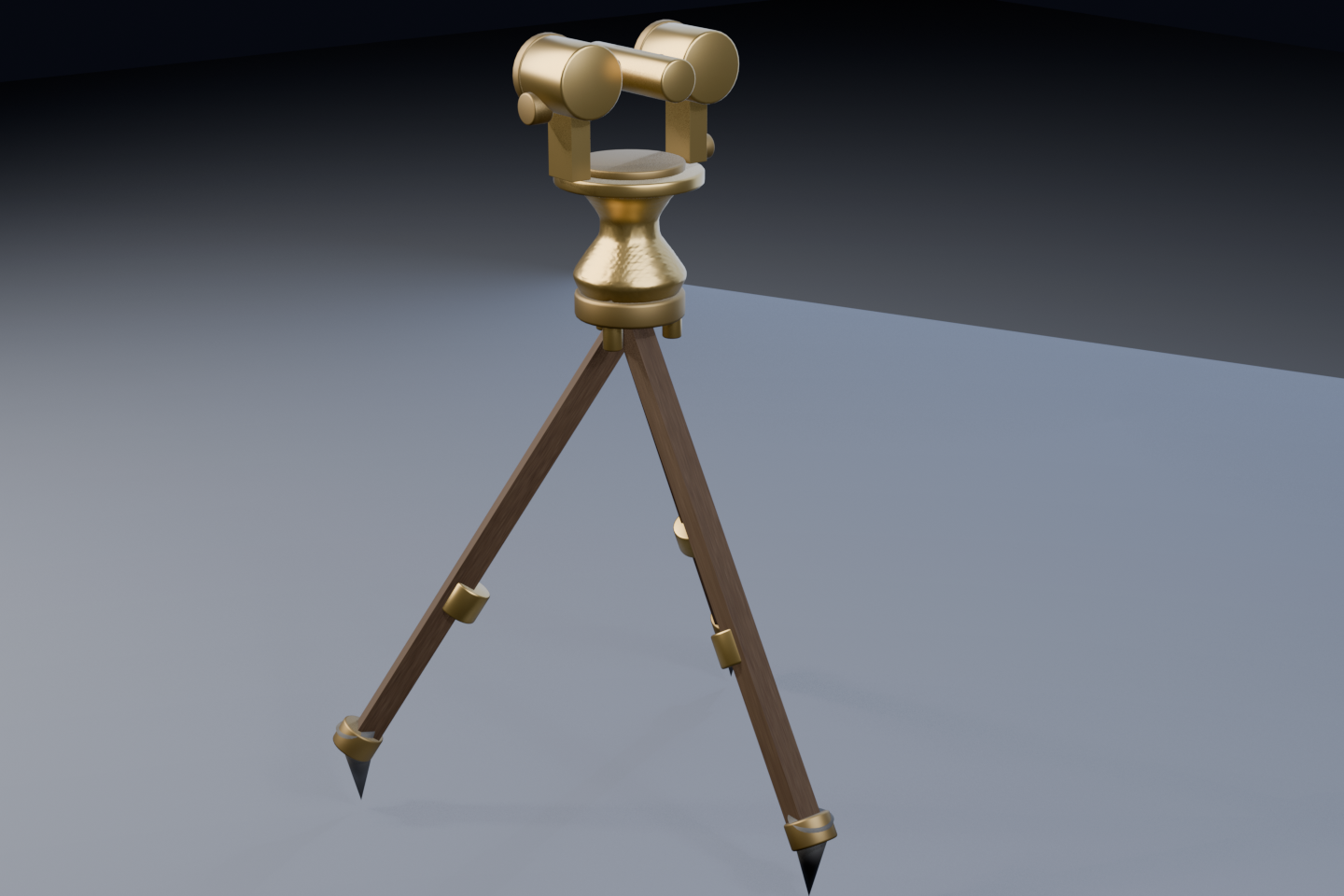
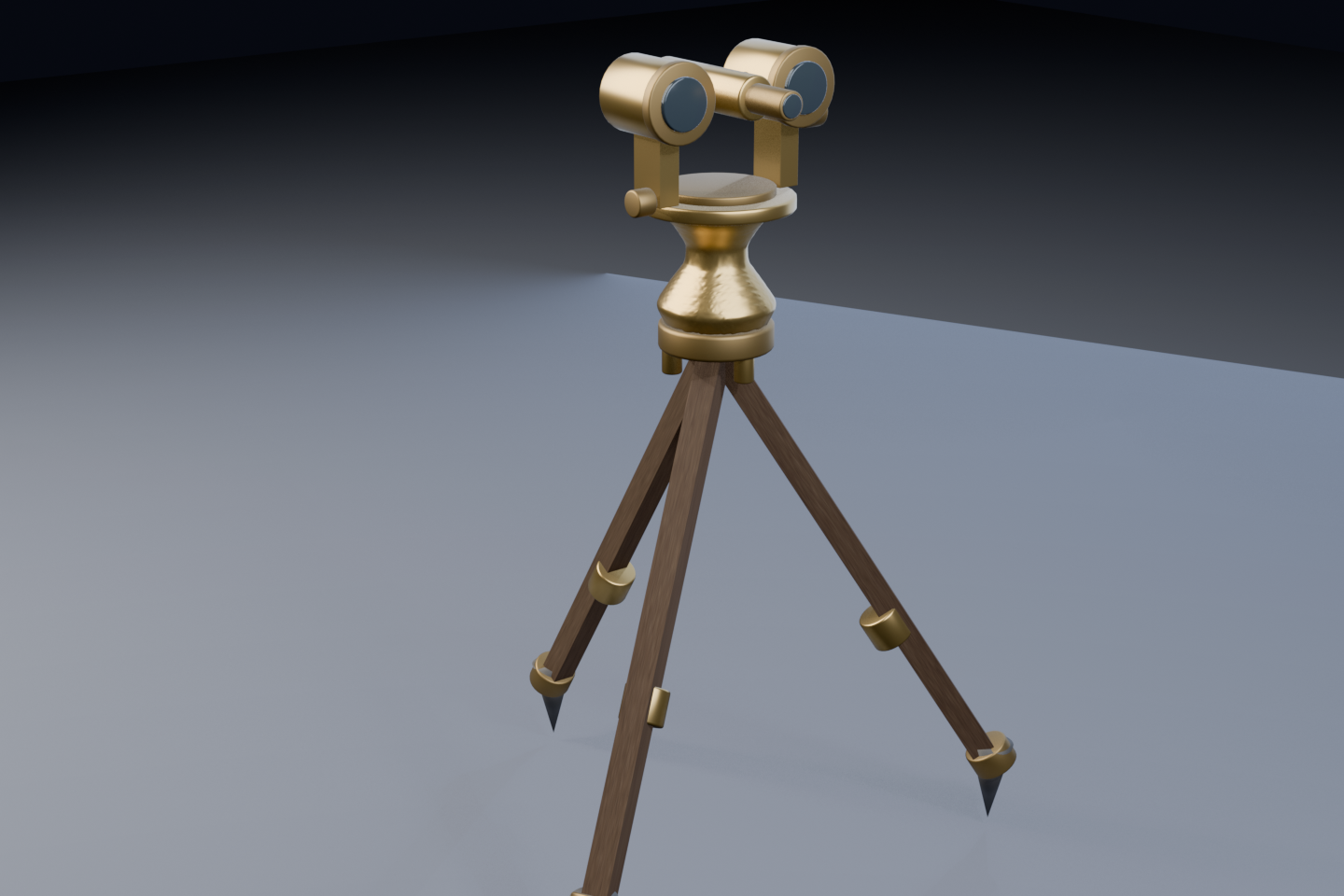
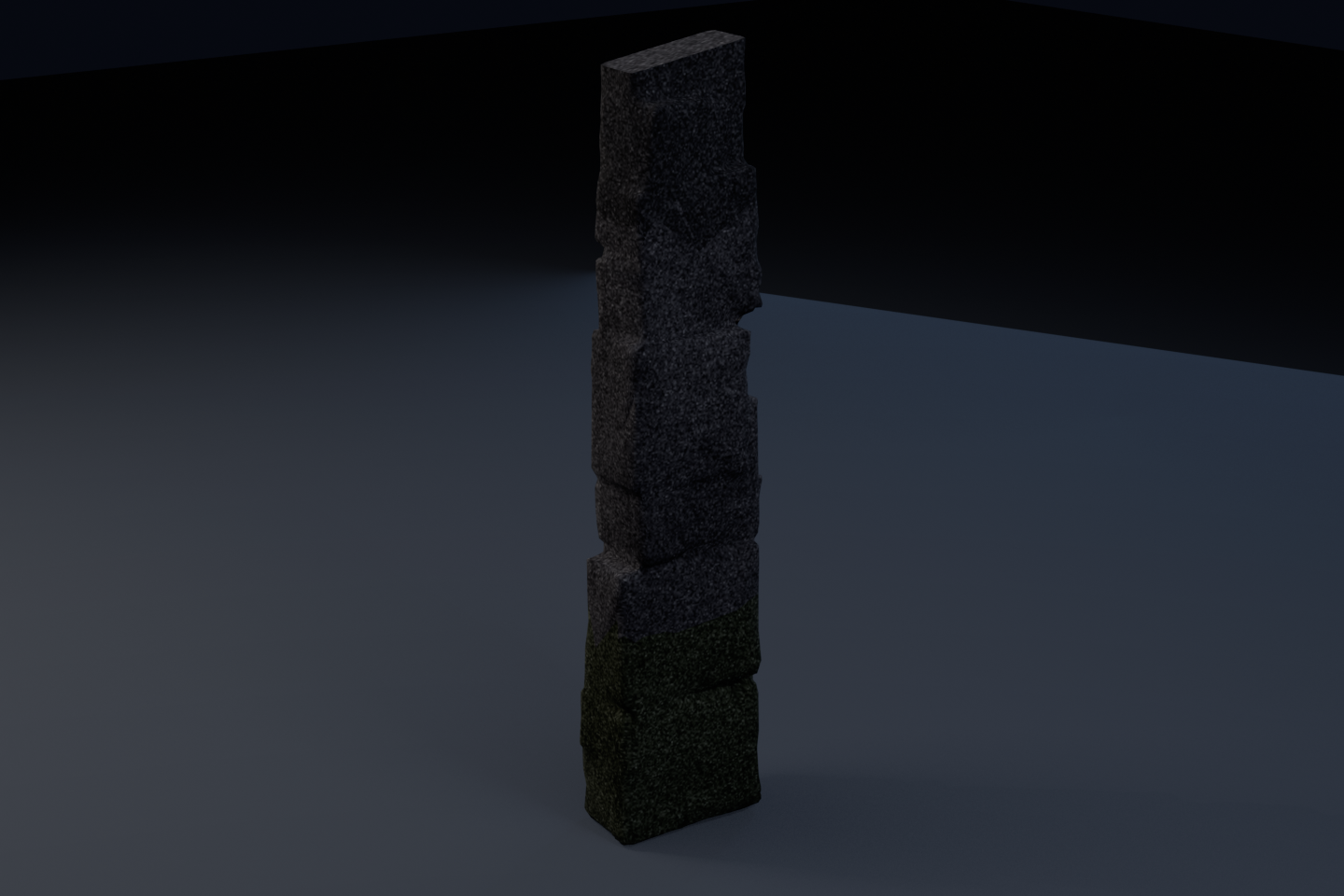
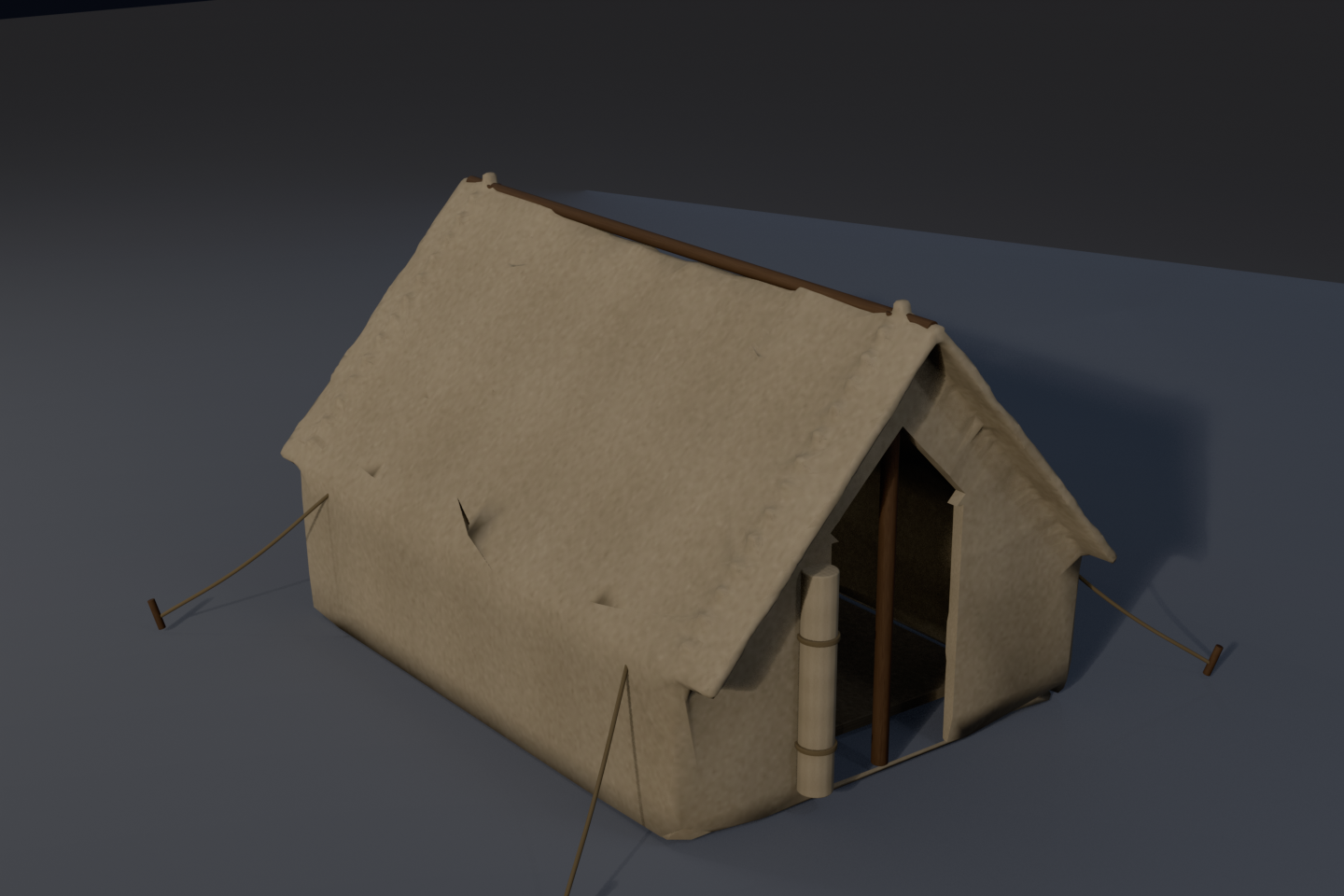
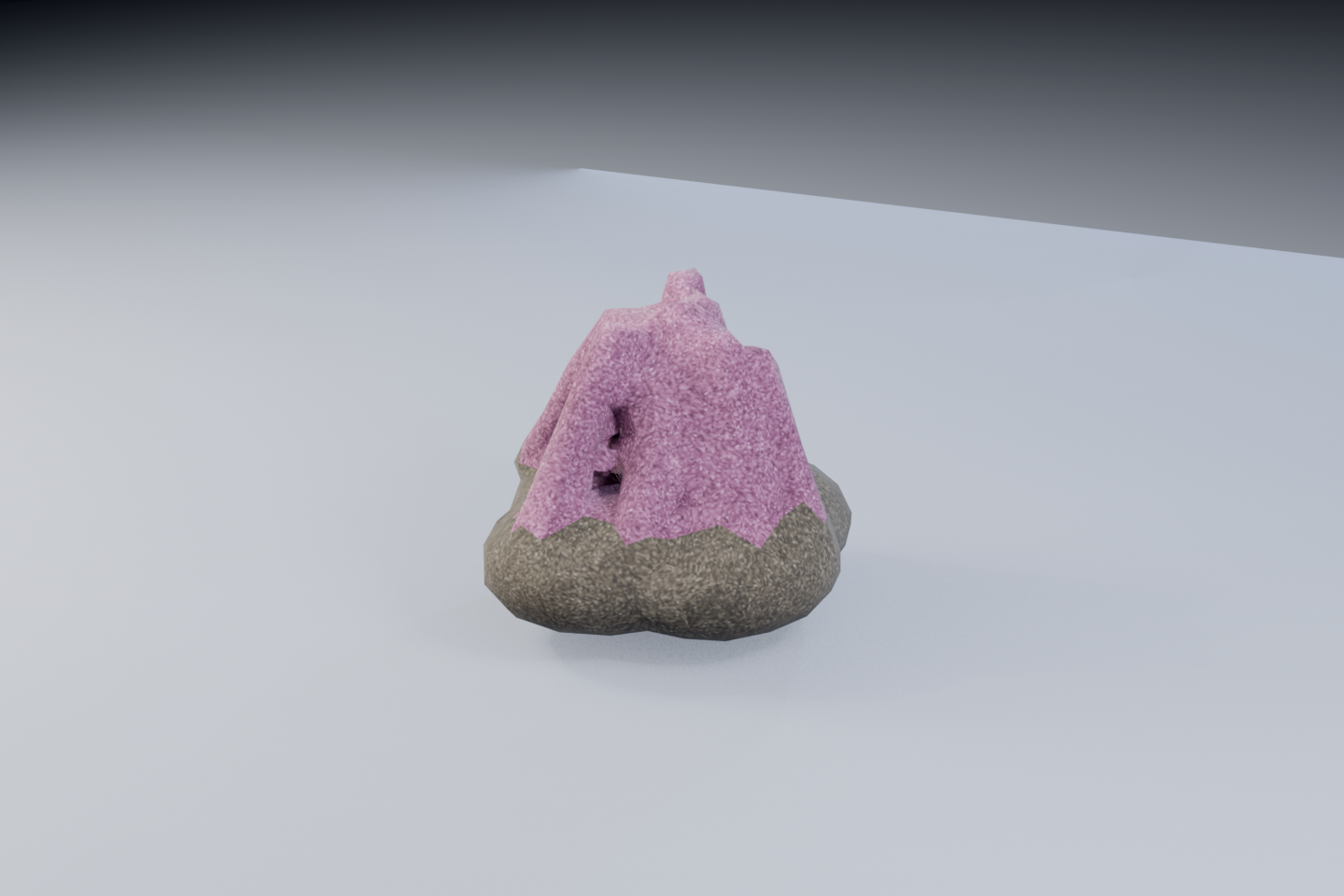
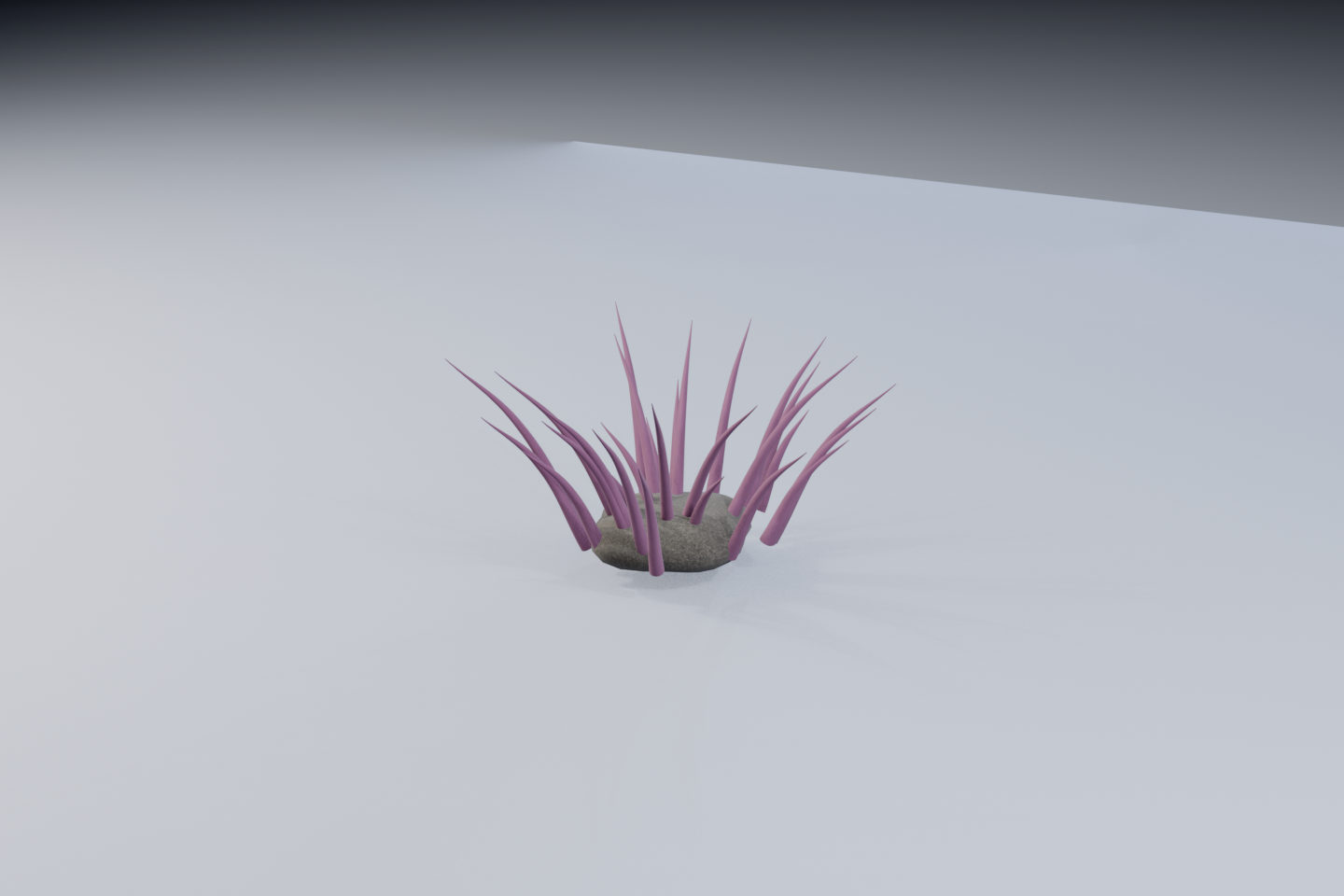
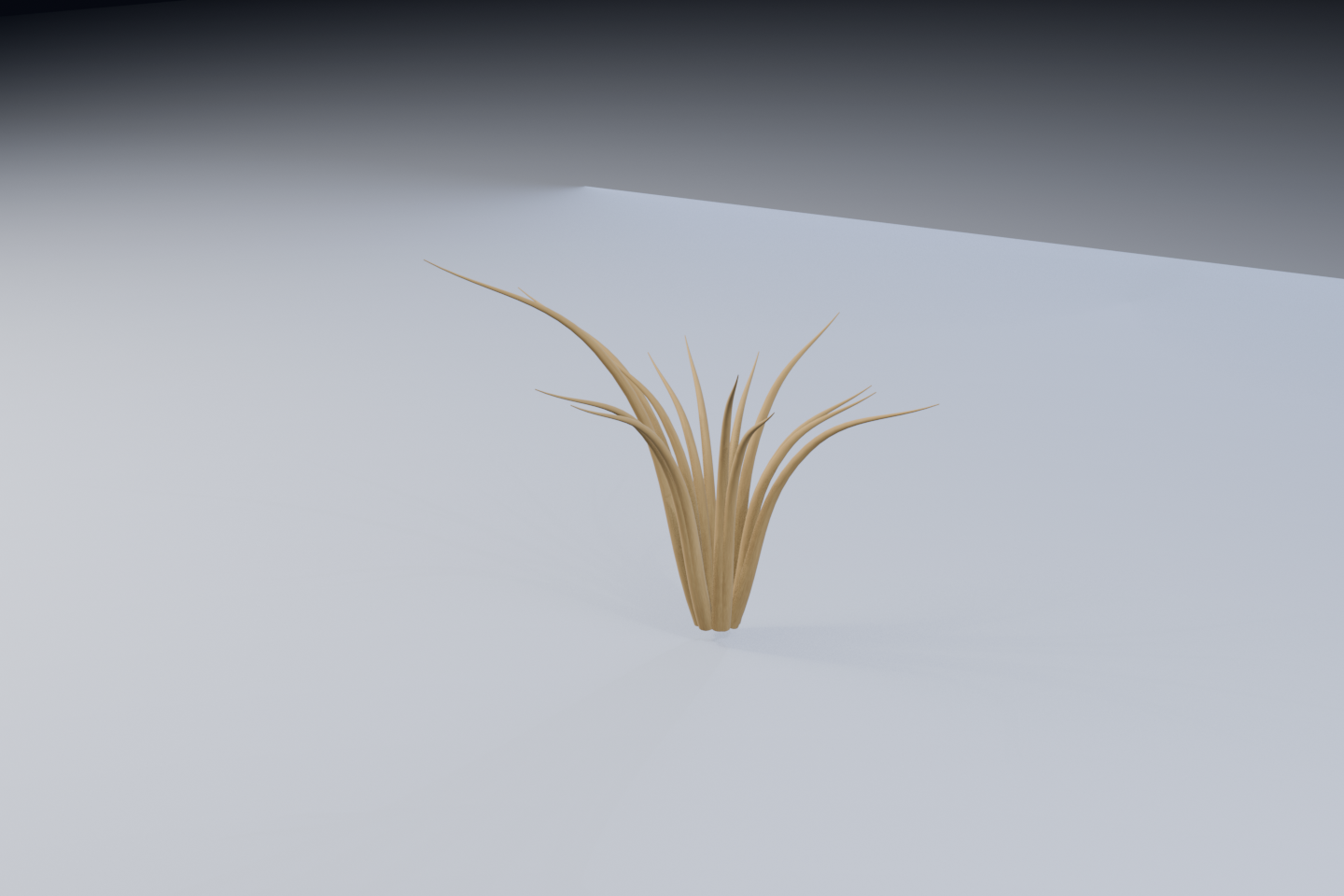
The hero assets were modelled by agents writing Blender code against the platform sculpt kit — no downloaded models anywhere — and rendered by the studio harness for audit before entering the engine scene.
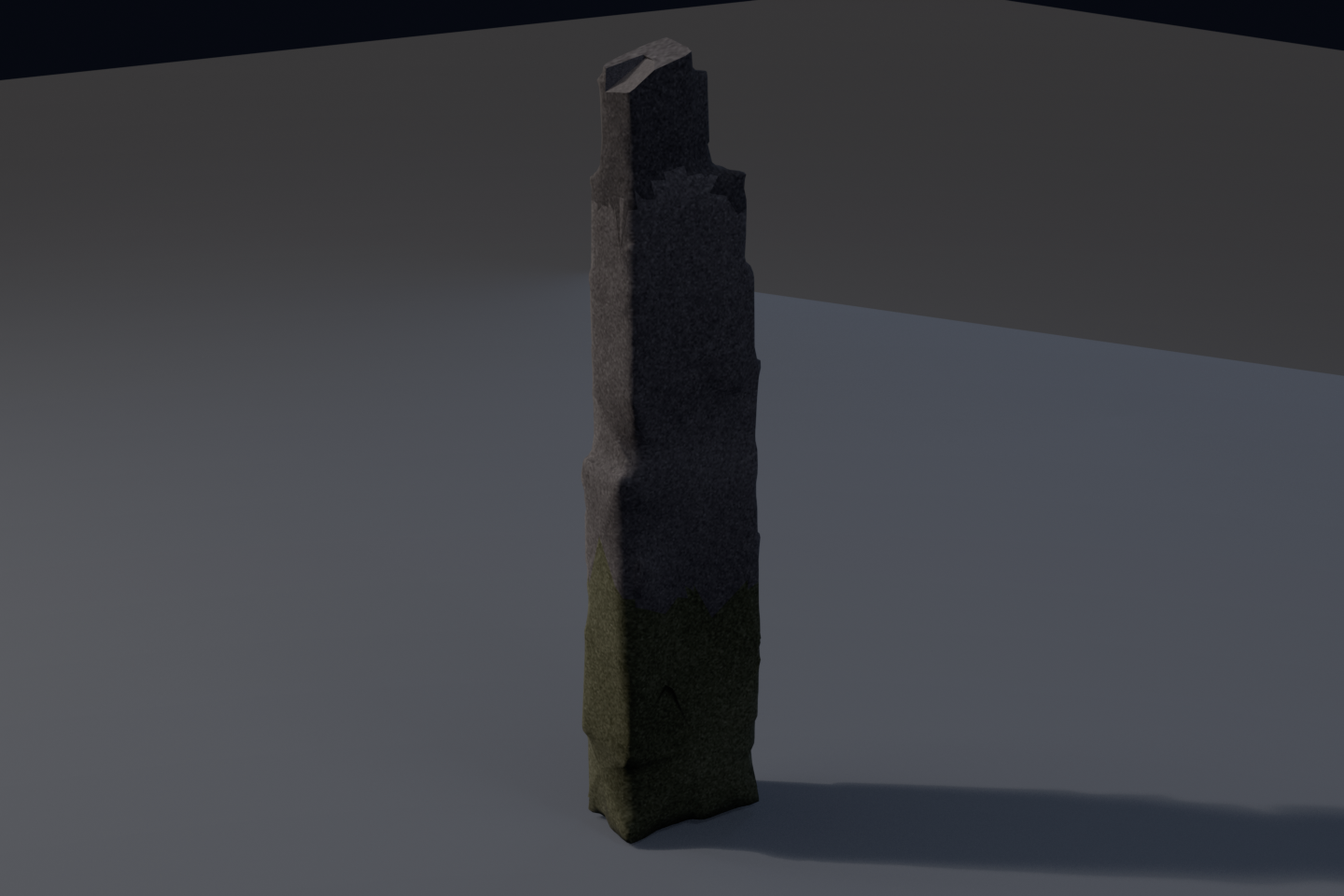
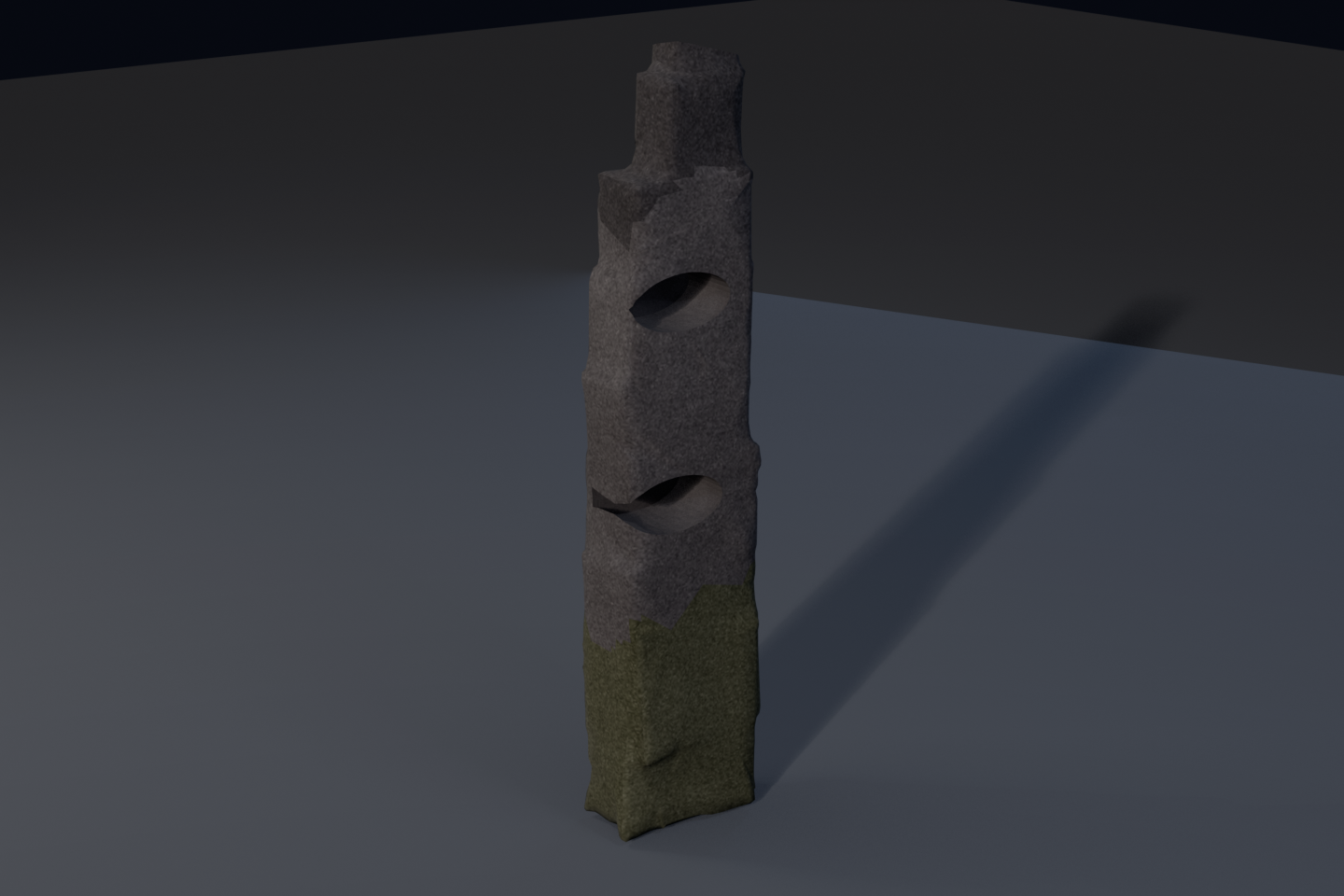
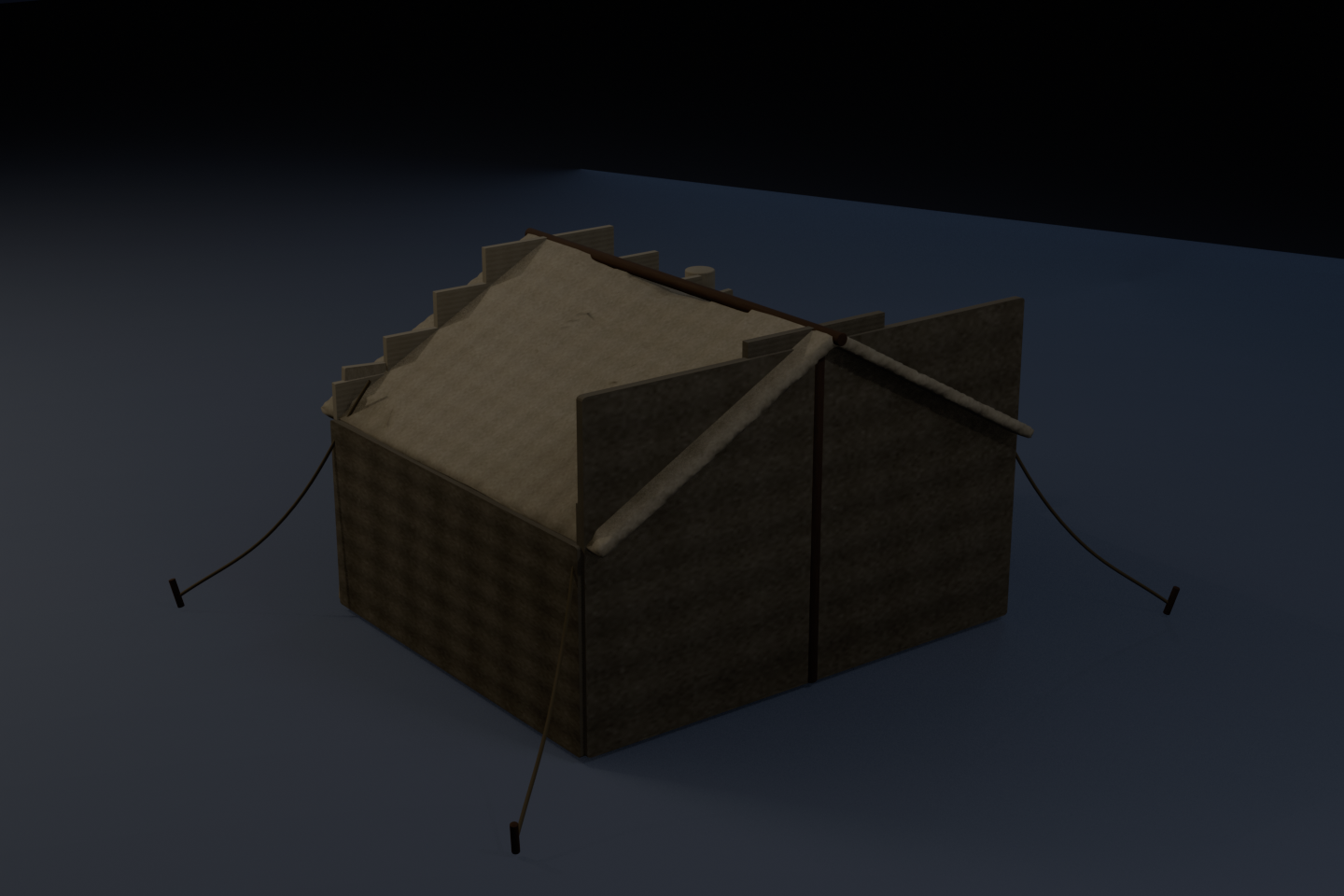
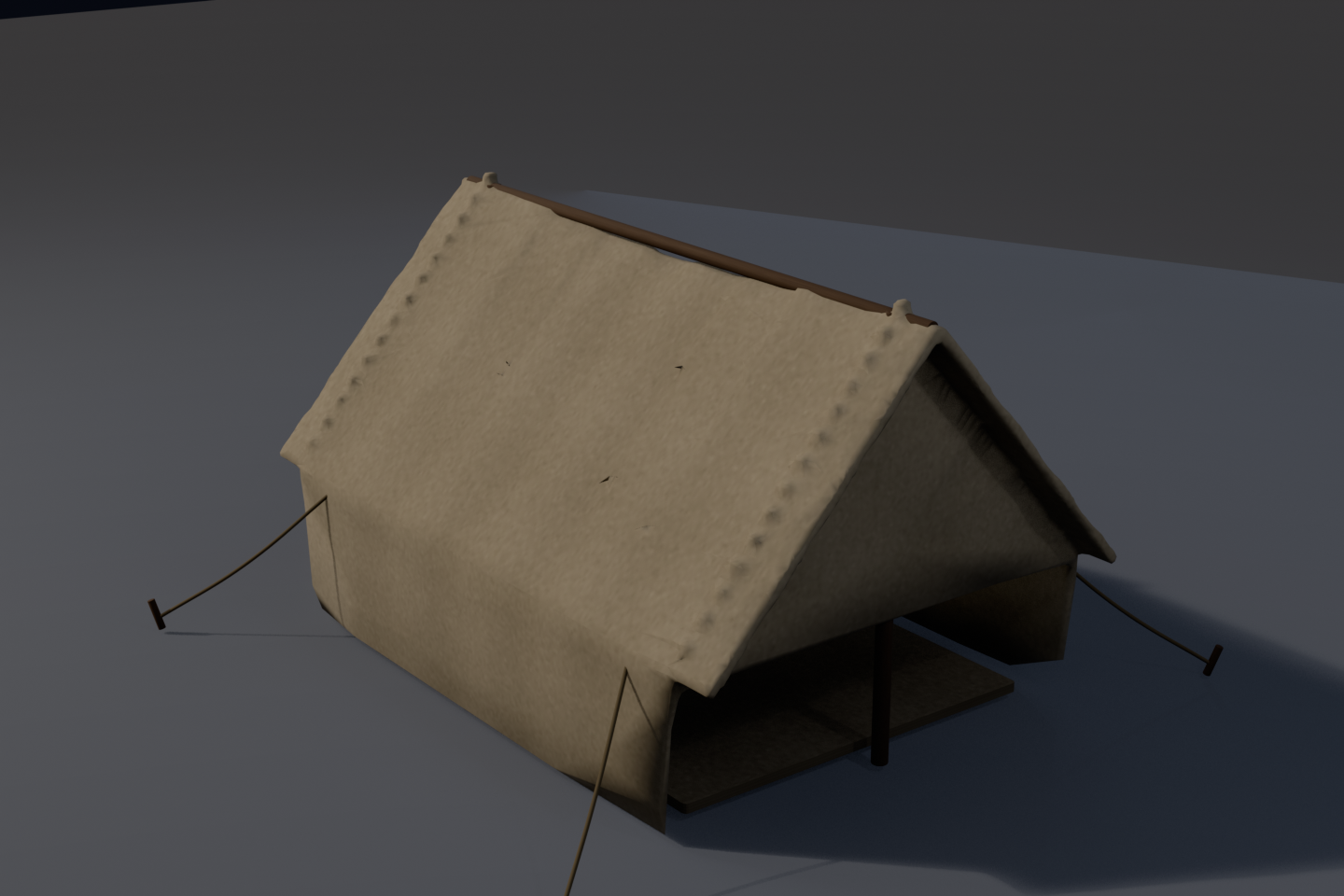
Made by AI, compiled by the real Unity 6 engine
This is the first piece built under a full-scene rule: the concept image is a camp, not a prop, so nine separate assets were modelled in headless Blender - three different standing-stone silhouettes so the ring is never one shape stamped seven times, a fallen boulder, the theodolite, the wall tent, a find crate, and heather and tussock grass instanced across the moor with per-clump jitter. The trench is a real hole cut out of the terrain mesh with earth walls, timber revetment and a peg-and-string grid inside it. Three things the lab did not know before this build: the studio render rig's lights keep a fixed energy while their distance scales with the subject, so a four-metre megalith renders six times darker than a one-and-a-half-metre instrument in the same rig; the modelling convention puts an asset's front on one axis while the studio camera photographs the other, so for three rounds the tent was audited from the one side that could not show it had no end walls; and a voxel remesh welds anything thinner than its own voxel, which is why the first heather clump came back as a single lump with no stems at all. Every direction-encoding surface here - the compass ribbon, the walking input, the plan markers, the held clipboard - asserts itself on screen at boot rather than being trusted to look right.