Millrace
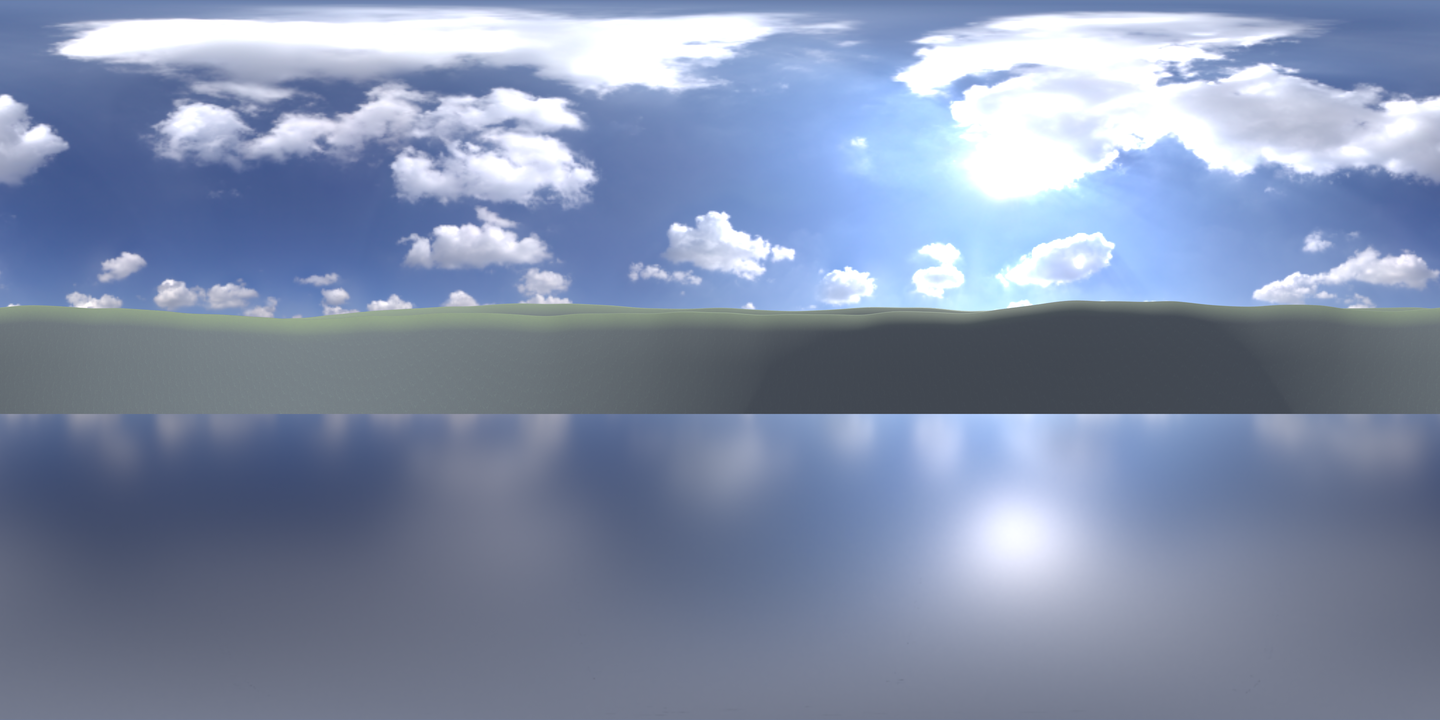
A hill sawmill on a fast beck. This piece exists to prove a rule rather than to show a hero: the operator audited the lab's previous two builds and found the same class of failure in both - the character or the instrument was good and the rest of the frame was not. Flat single-colour ground, cover thin enough to read as bare earth, water that looked like a footpath, two-stop gradient skies, and props you could walk straight through. So millrace is built to a six-class environment floor from its first round, and every class is measured at boot rather than judged by eye: ground detail in texels per metre, ground cover in instances and coverage, a collider on every solid, water that moves and mirrors, and a sky with real cloud forms over ranked fells.
Play it now
WASD walk - SHIFT jog - DRAG to look
The concept is the contract
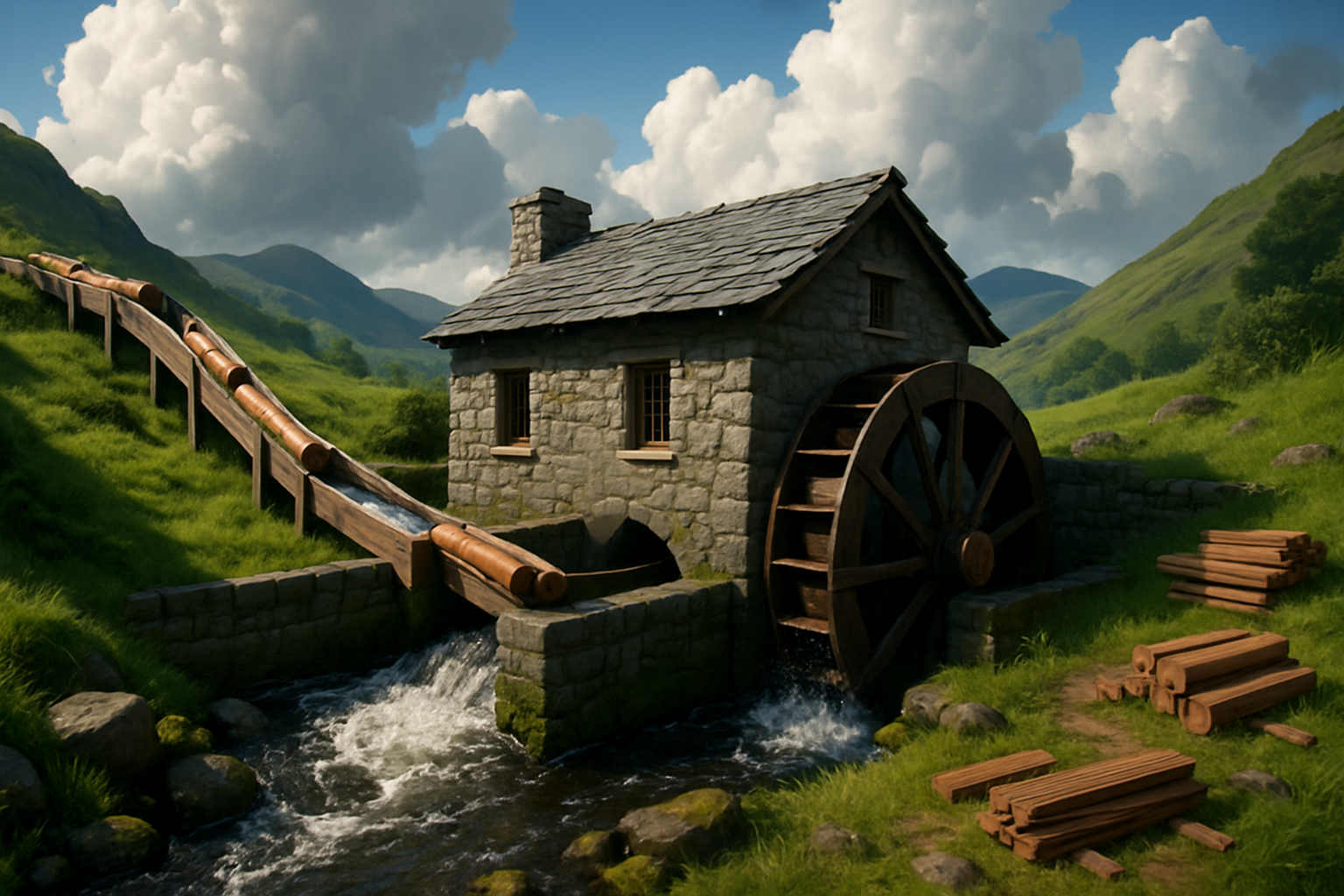
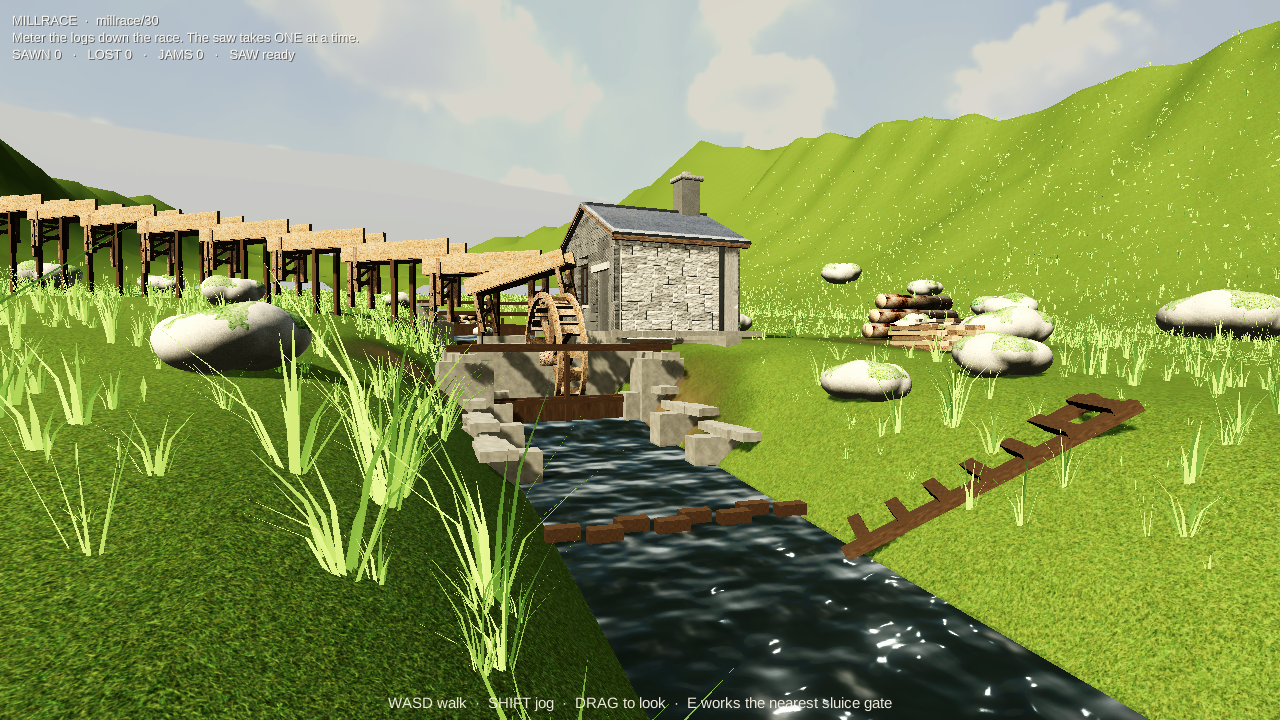
The piece was concepted first — an AI key-art painting — and its hero assets were then code-modeled in headless Blender and audited against that concept. The pair below is the contract and the build.
Concept prompt
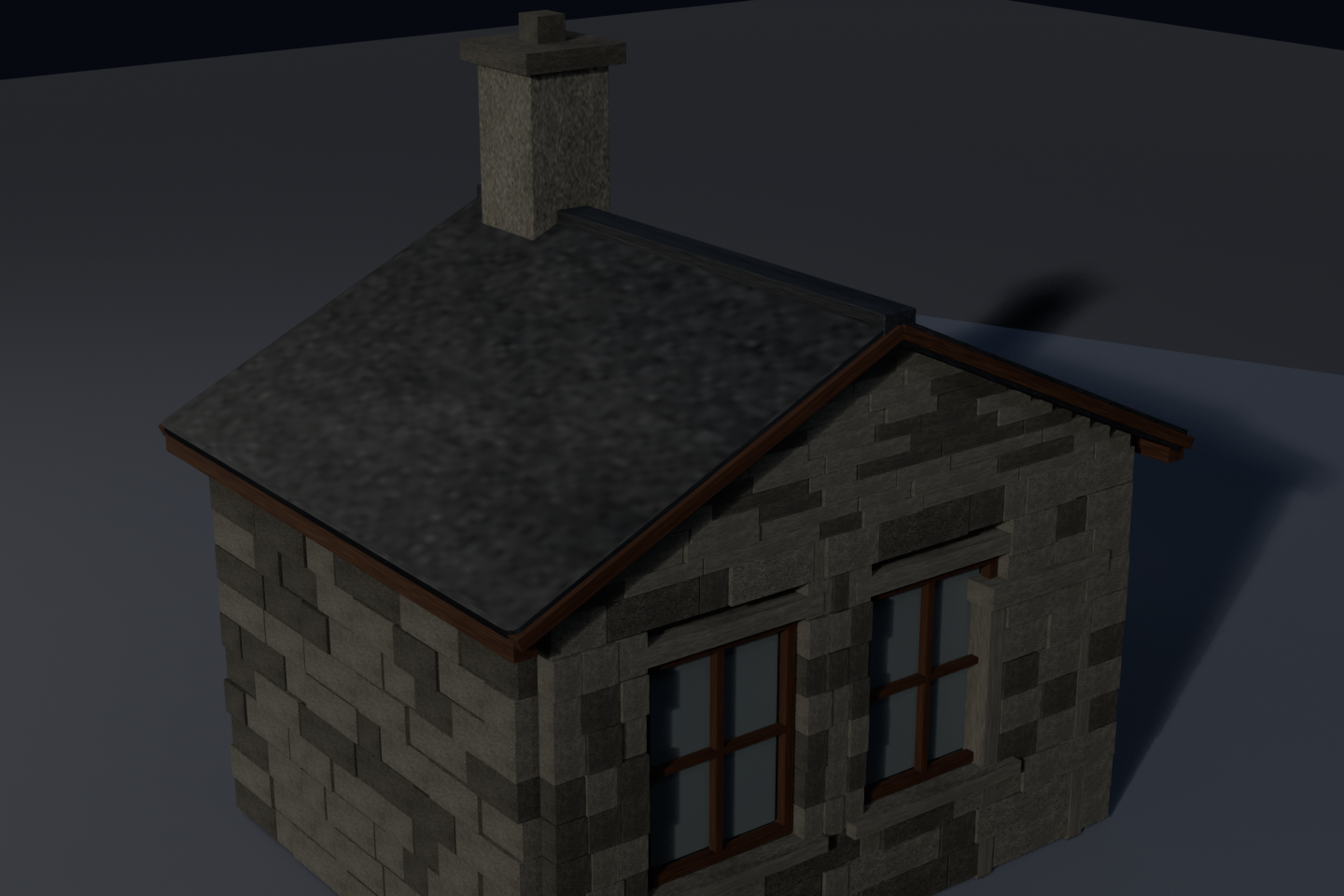
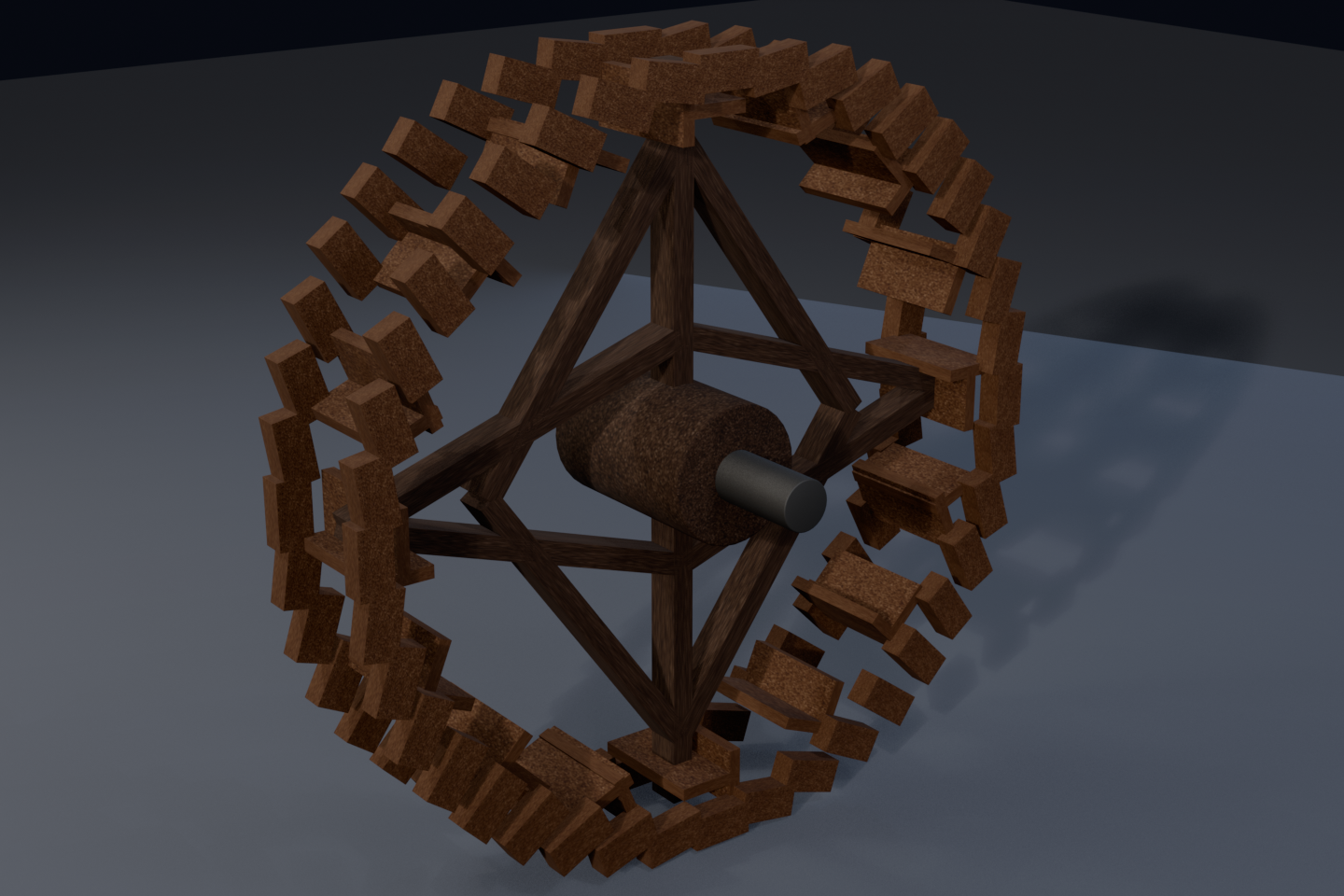
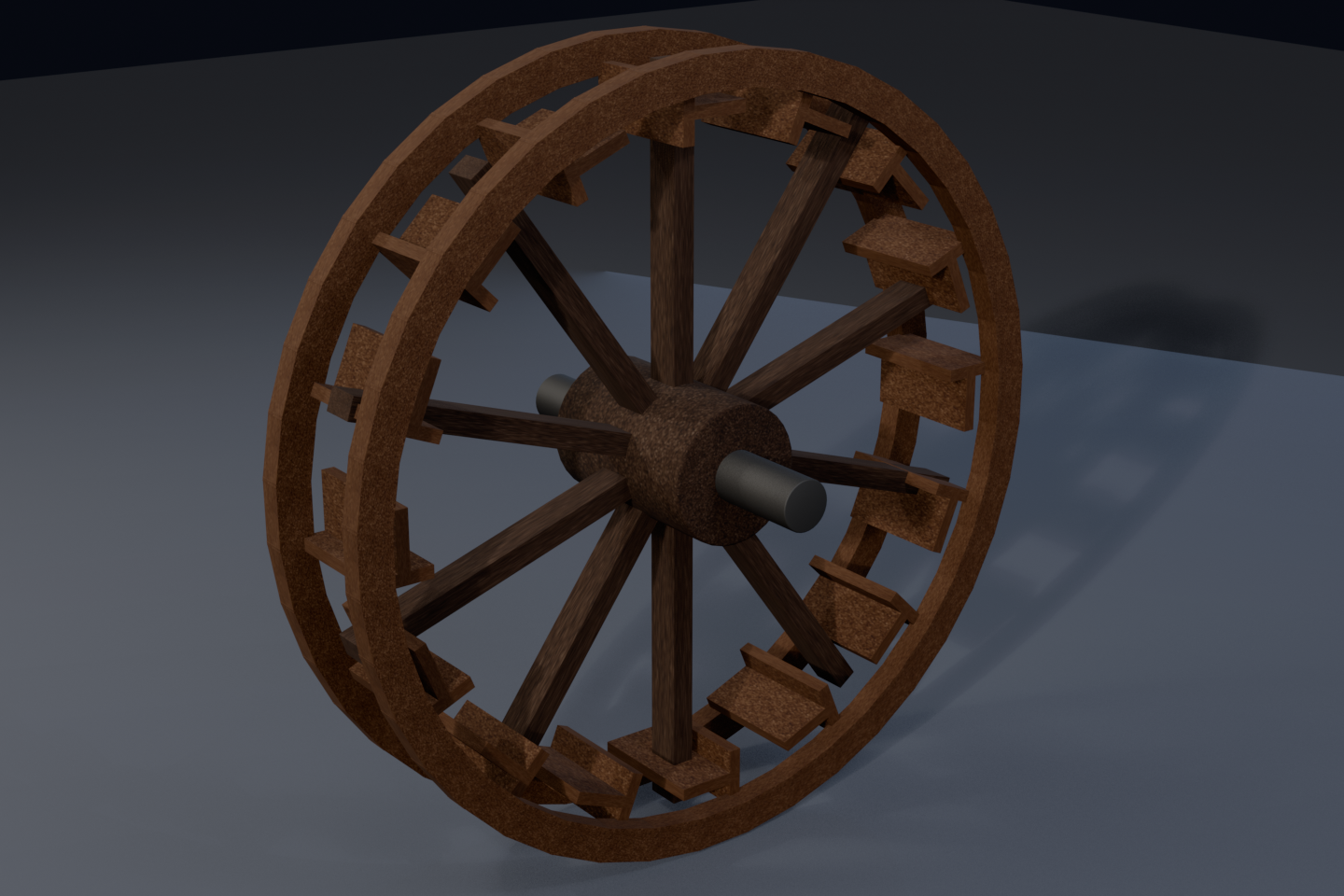
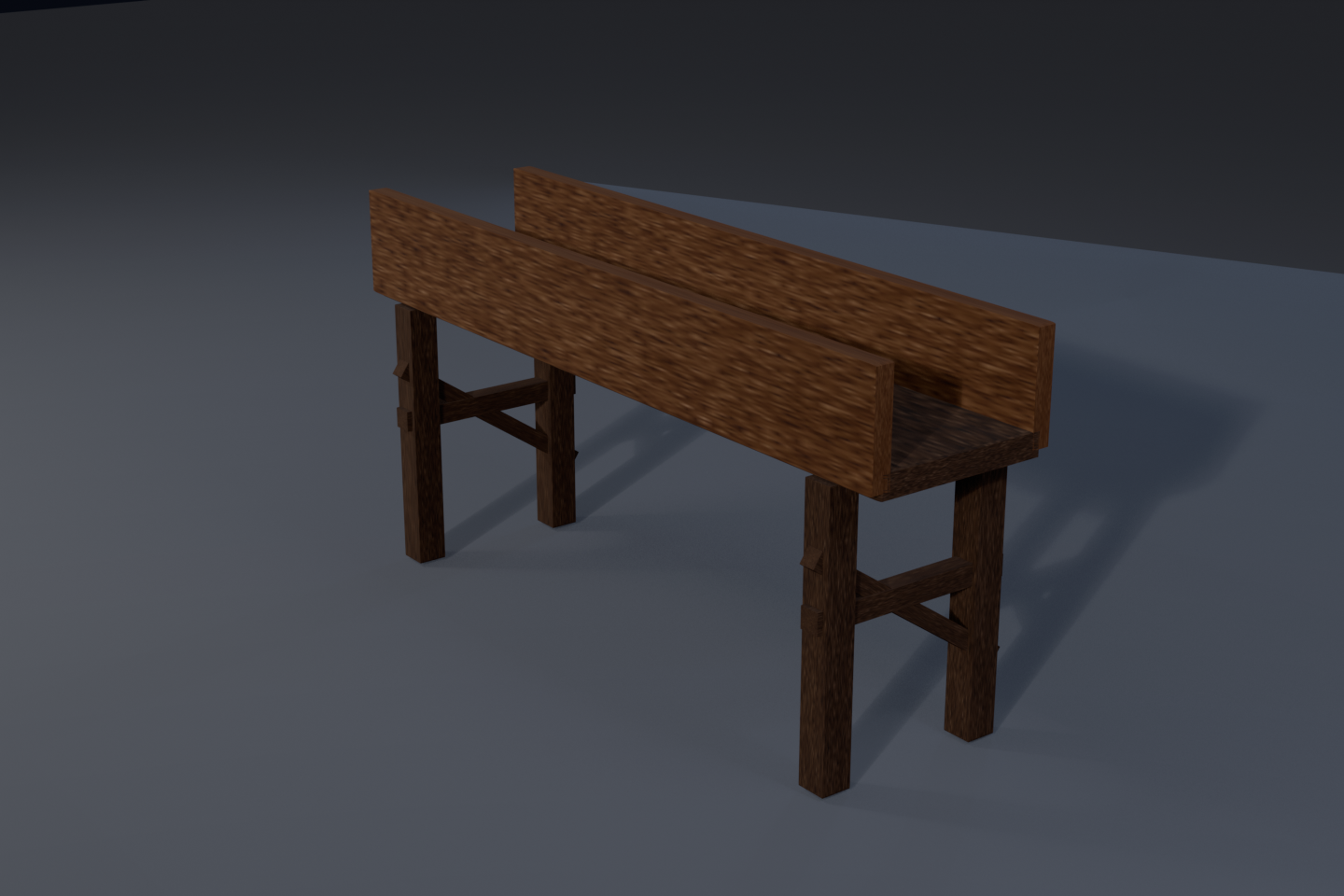
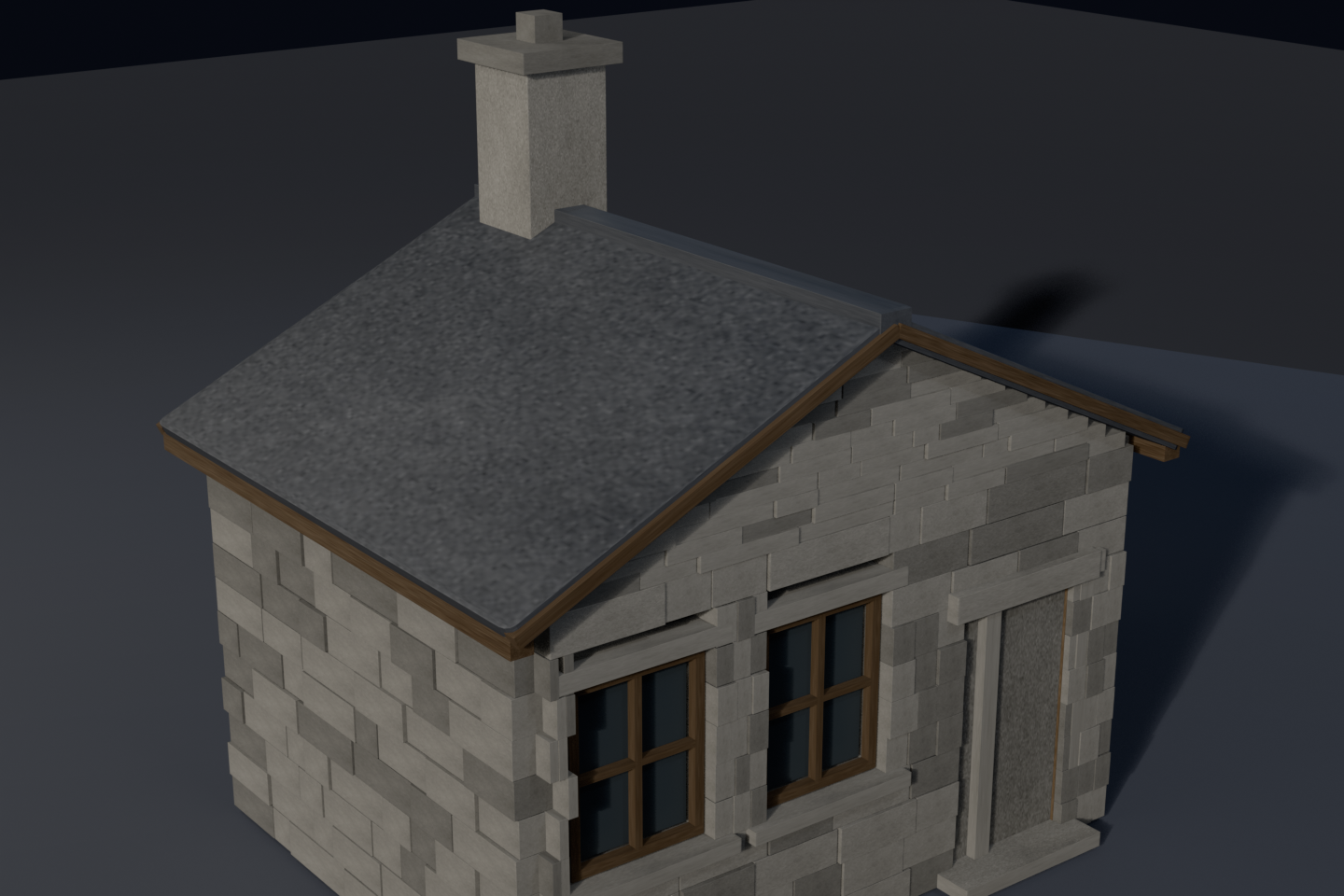
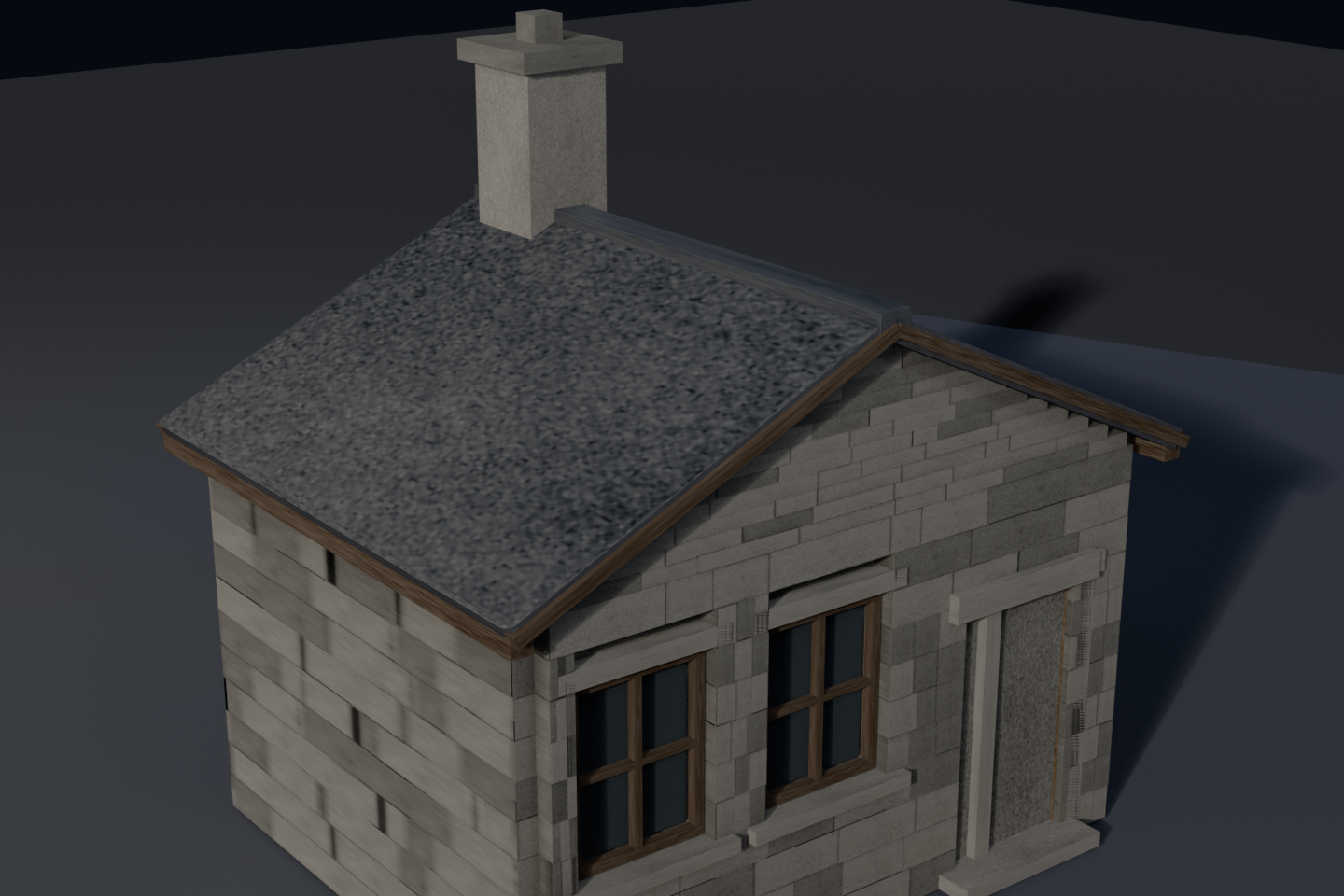
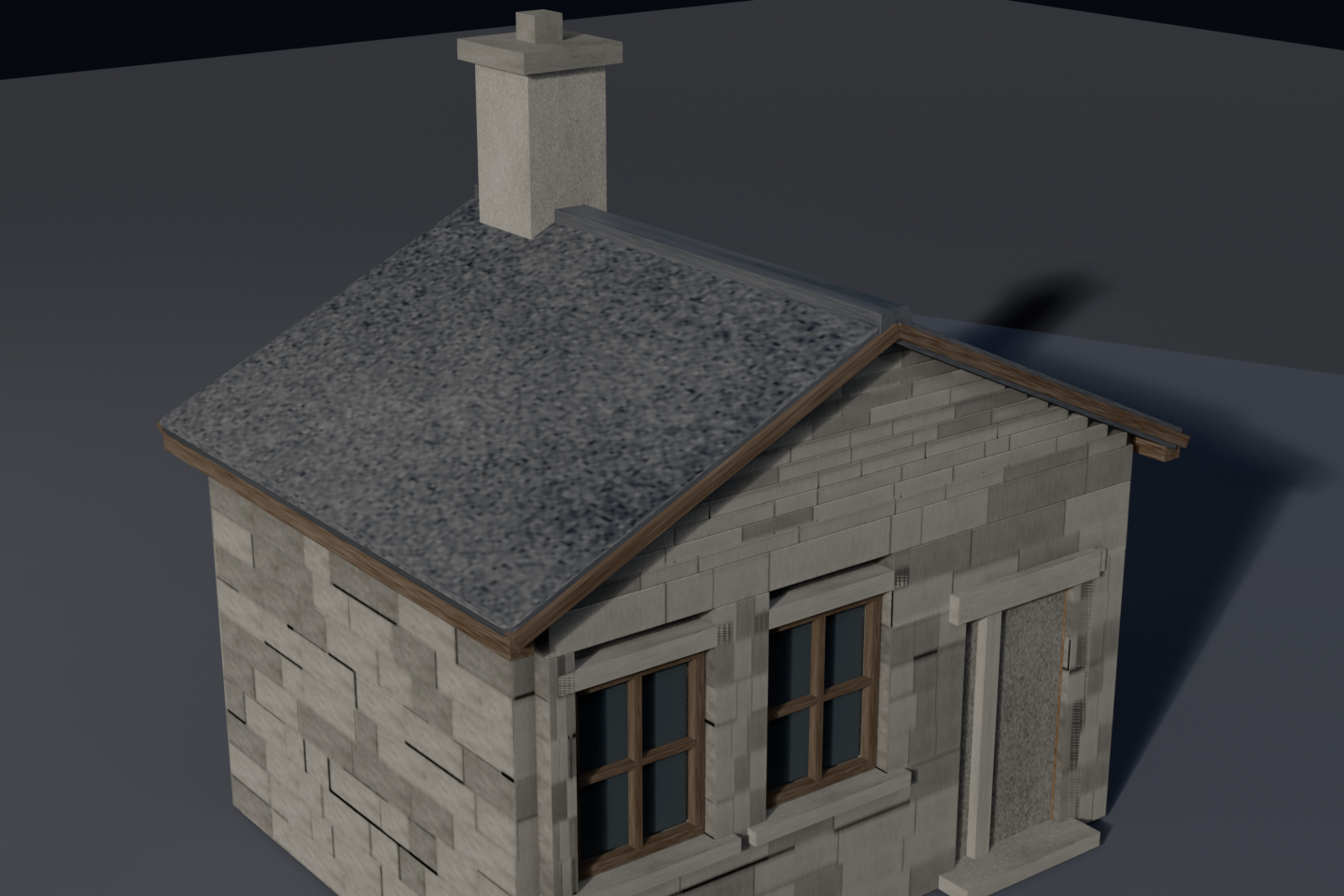
high-end stylized 3D game render, a stone hill sawmill beside a fast rocky beck in late summer, a timber log flume running down from the fell delivering pine logs into a walled mill race, a big wooden water wheel on the mill house, the mill house of coursed stone with a slate roof deep eaves recessed mullioned windows and a stone chimney, dark peaty water with white broken foam over rocks and wet mossy stone banks, dense lush green grass and ferns covering the banks and yard everywhere, scattered cut timber and stacked planks, layered receding fells behind under a big sculpted cumulus sky with sunlight breaking through, palette wet grey stone, deep green grass, warm pine timber, white foam, blue-grey cloud
Code-modeled in Blender
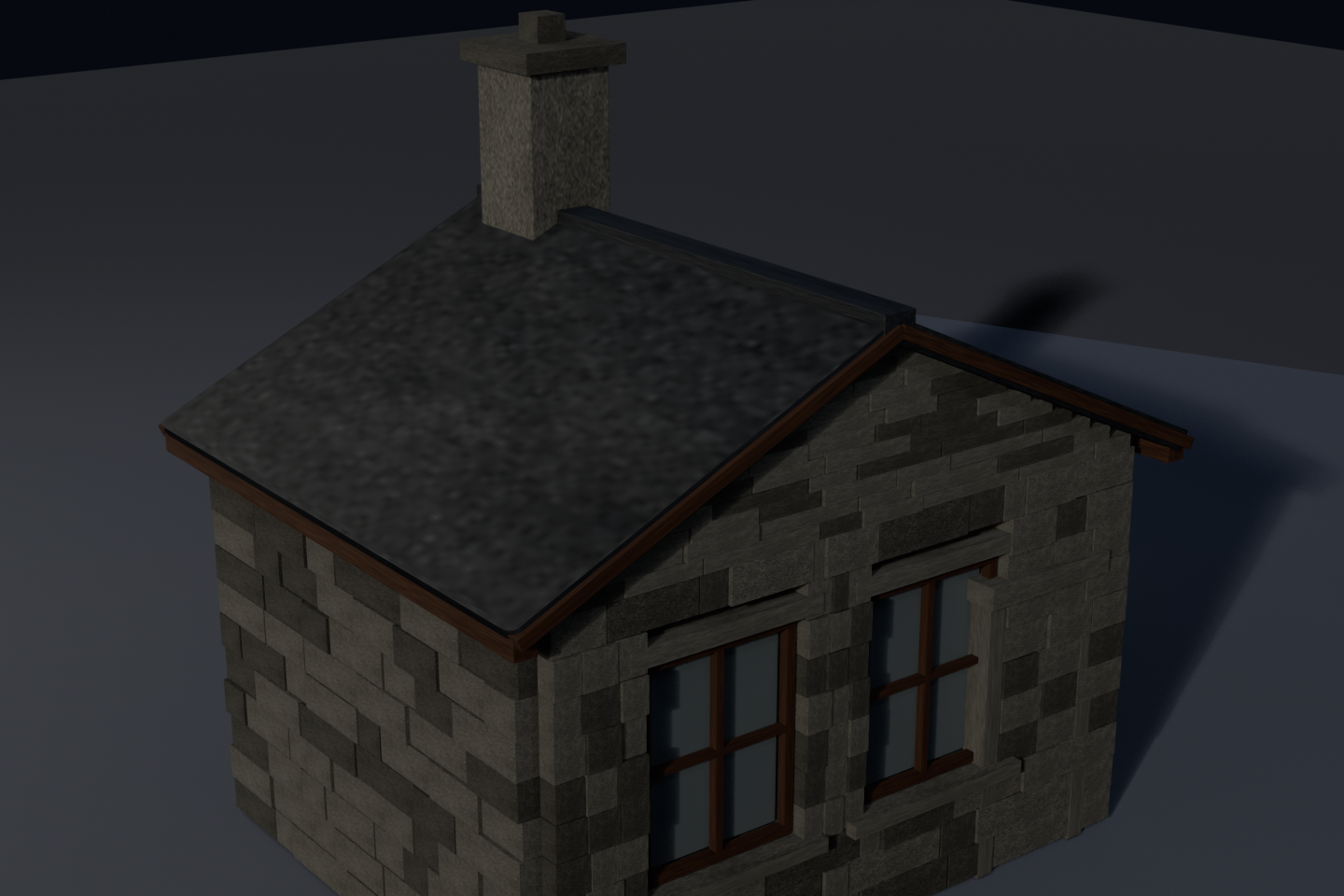
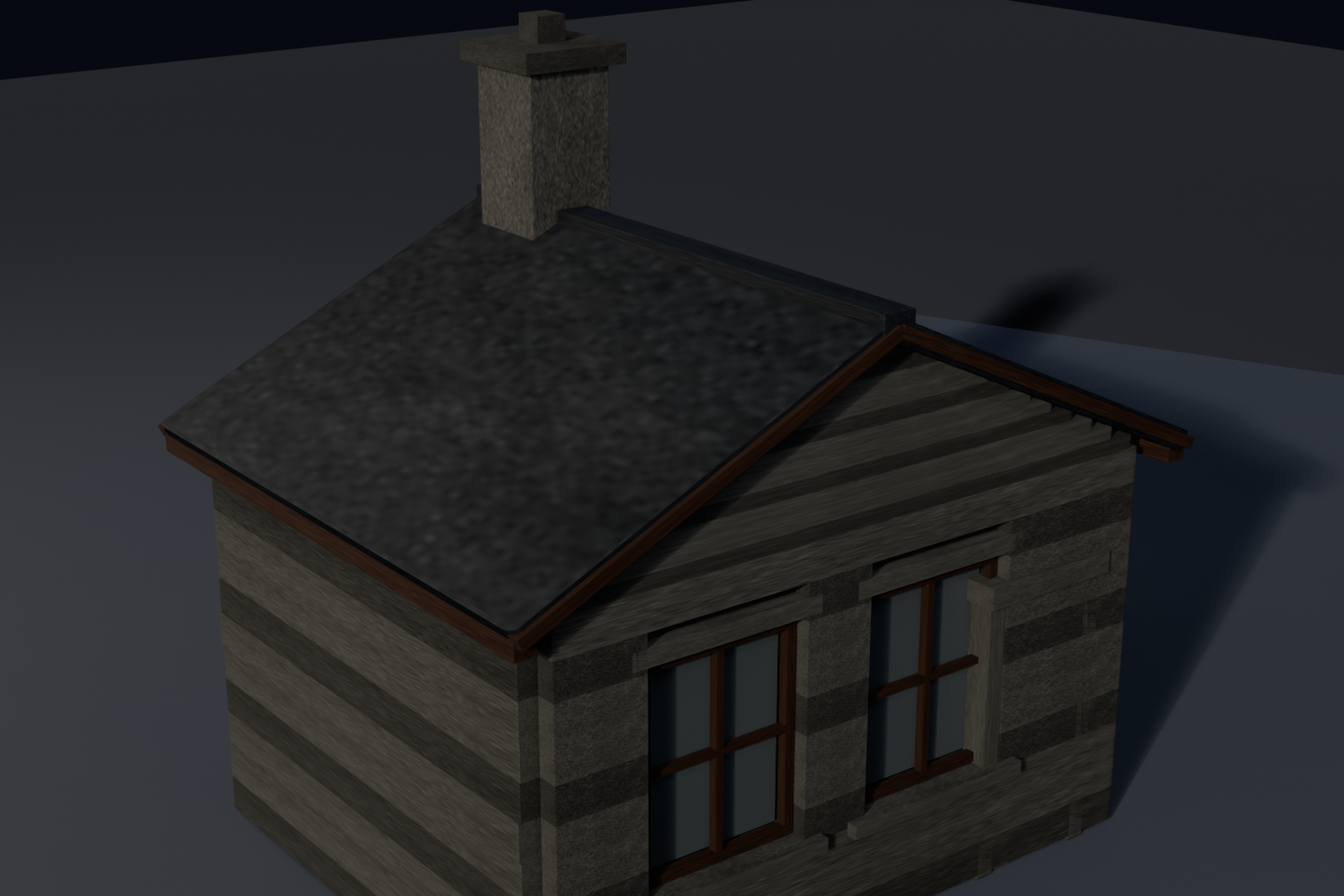
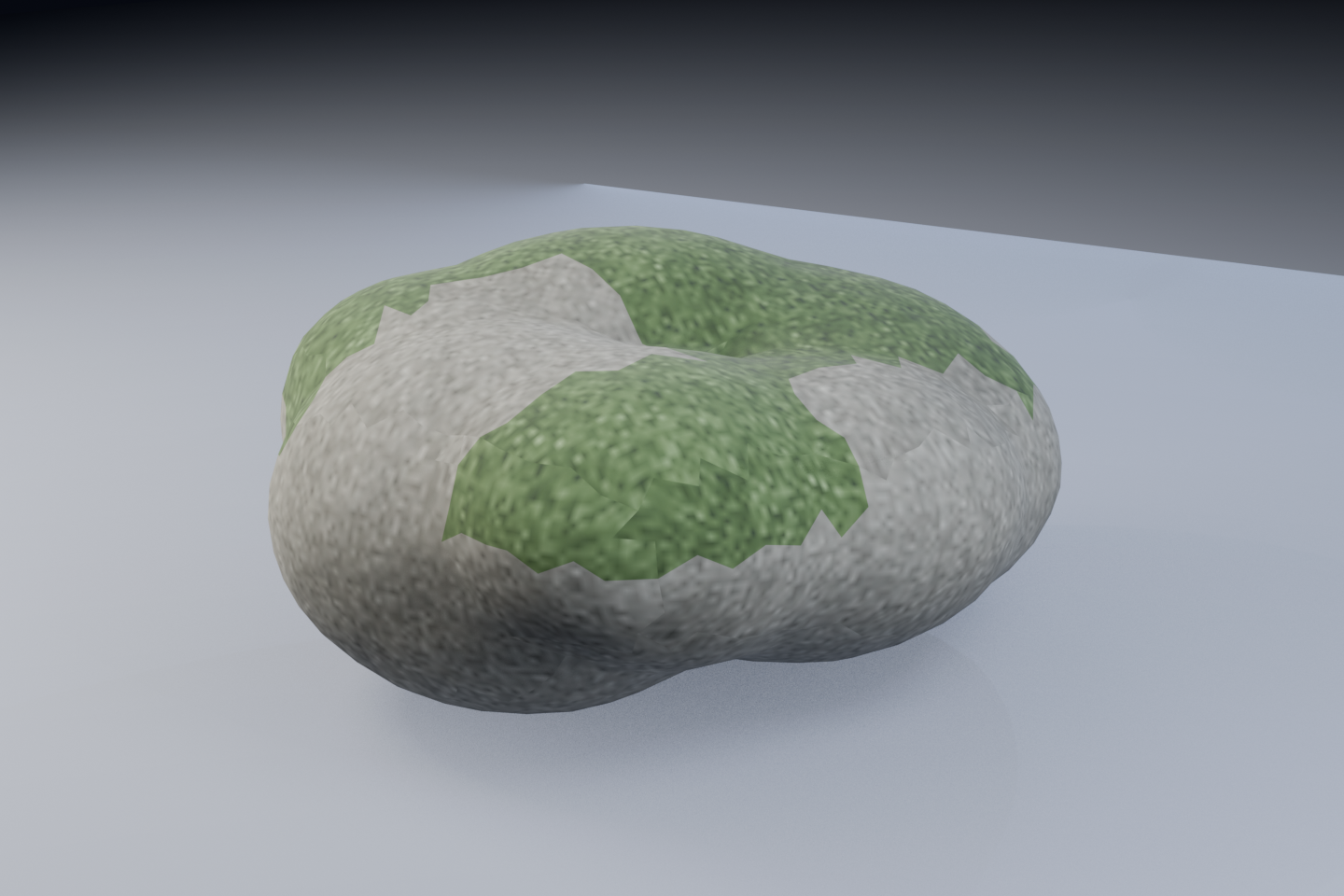
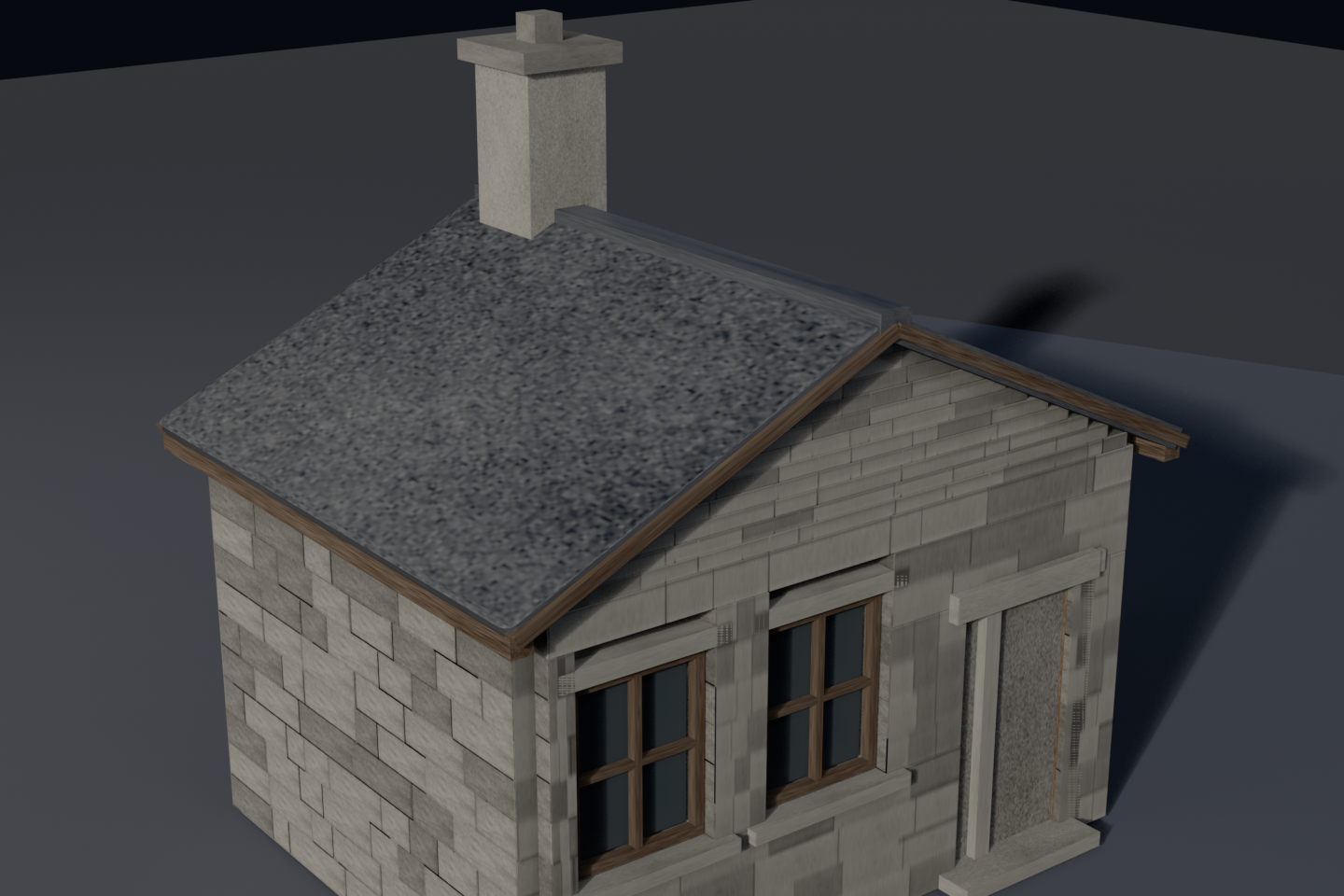
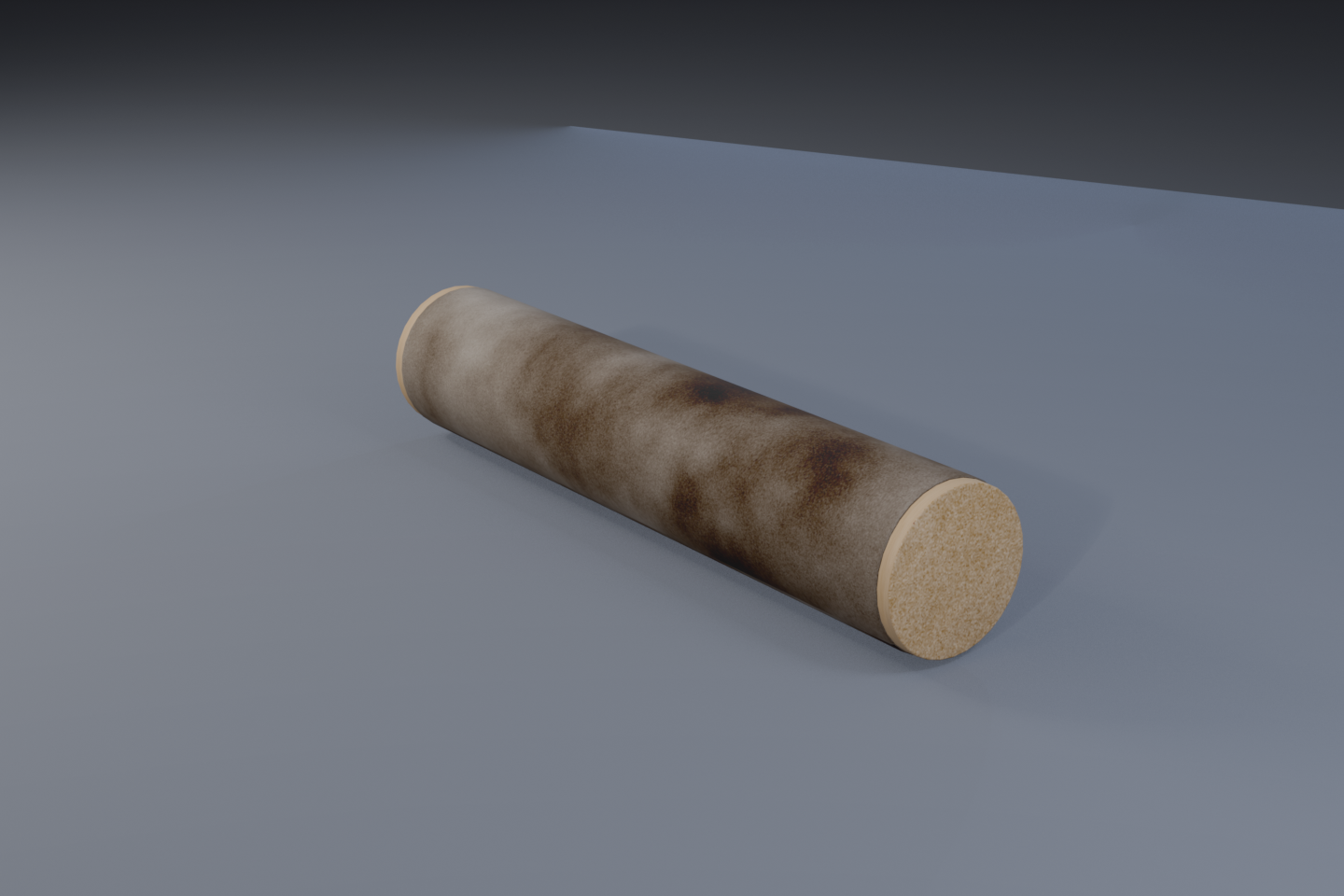
The hero assets were modelled by agents writing Blender code against the platform sculpt kit — no downloaded models anywhere — and rendered by the studio harness for audit before entering the engine scene.


Made by AI, compiled by the real Unity 6 engine
The numbers this piece reports at boot are the point of it. Ground: a seamless turf map with a generated normal, tiled once every 1.5 metres - 341 texels per metre, against the 2-3 per metre you get from one small map stretched over a whole terrain, which is flat colour at every distance a player actually looks. Cover: 7,834 grass clumps baked into 144 chunked combined meshes, so the field costs 144 draw calls instead of 7,834 - one clump per 1.1 square metres, where the previous piece managed one per 19 and read as bare dirt. Solids: a collider fitted to every prop at placement plus a perimeter fence, spherecast and asserted at boot, because the previous piece let you walk through standing stones and out into the inside of the backdrop. Two of those numbers were caught lying during the build: a collider probe that fired above most of the props and reported 11 of 39 blocking when the real answer was 34, and a ground-flatness metric that passed a crop the eye read as bare paint - because deviation from the mean cannot tell a smooth lighting gradient from a texture. Both were fixed by measuring the right thing: neighbour-to-neighbour difference for detail, and the collider's own bounds for the probe.