The concept is the contract
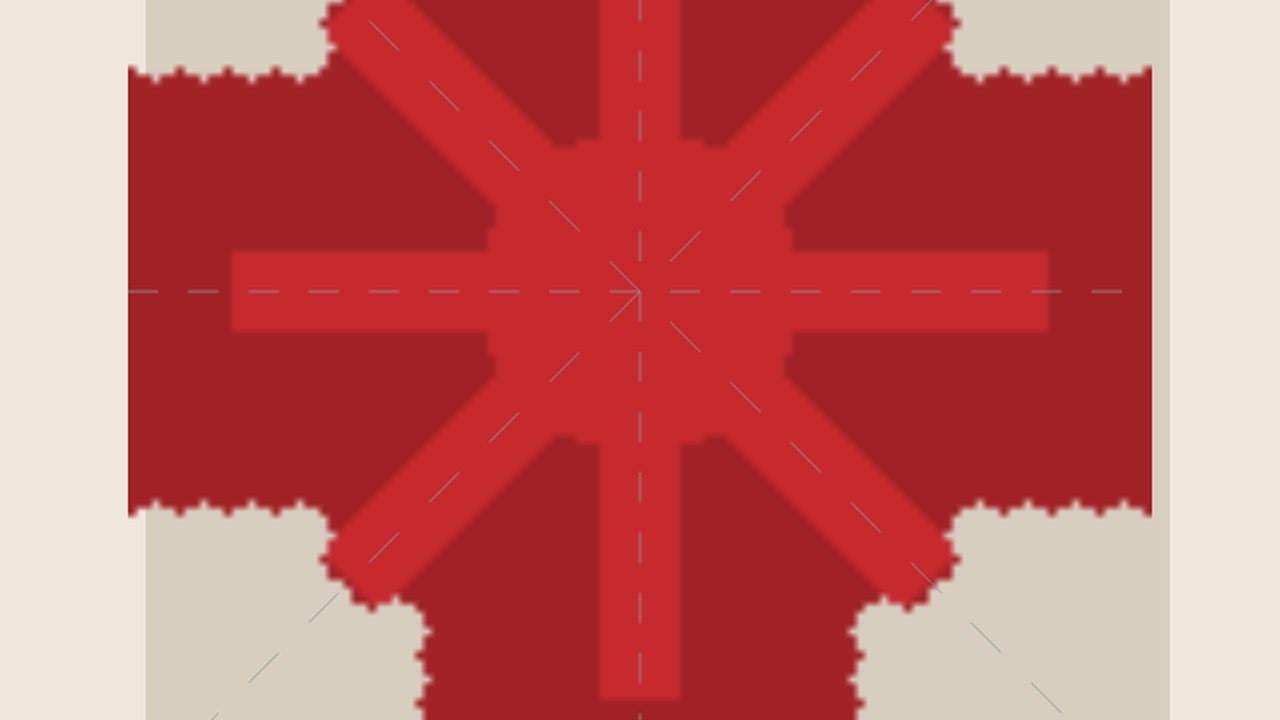
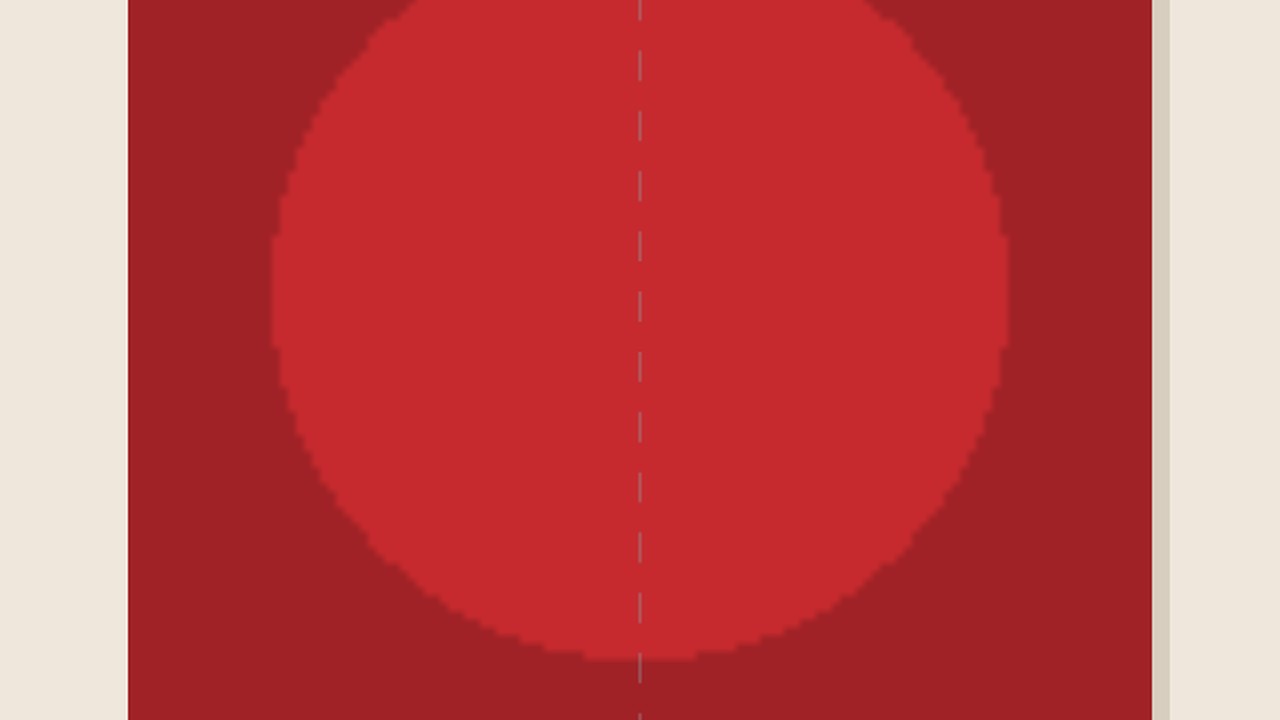
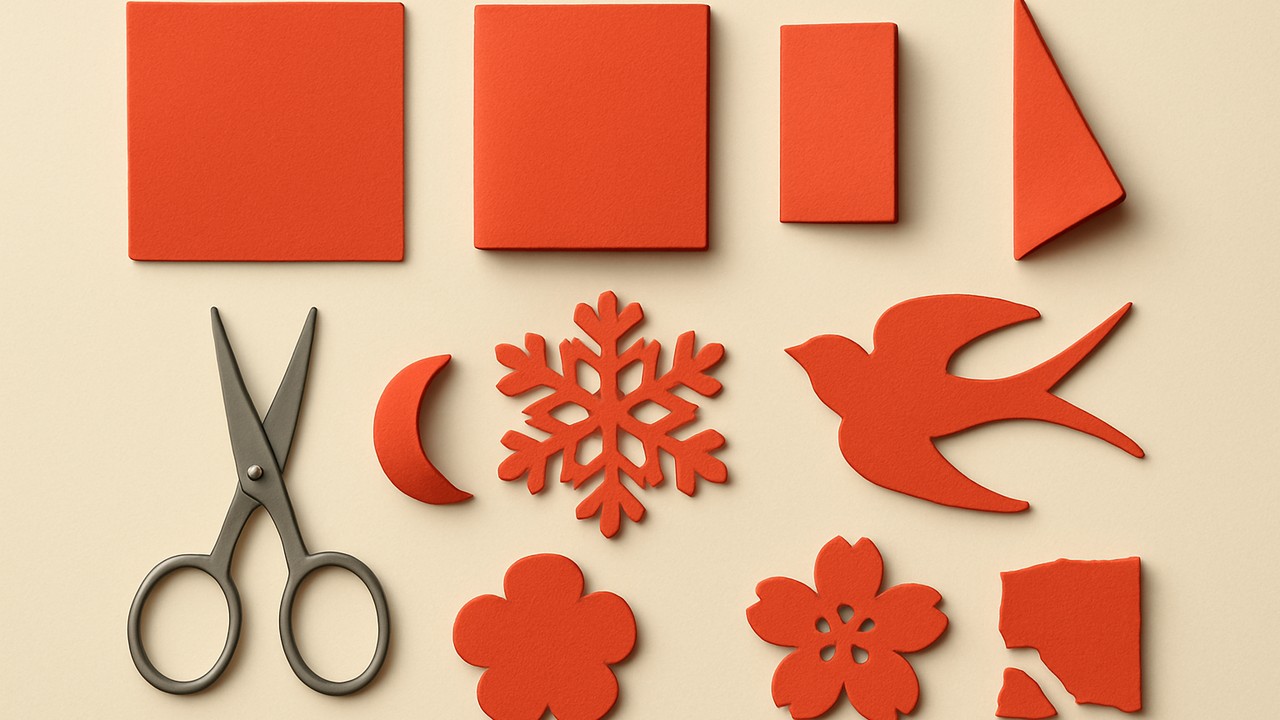
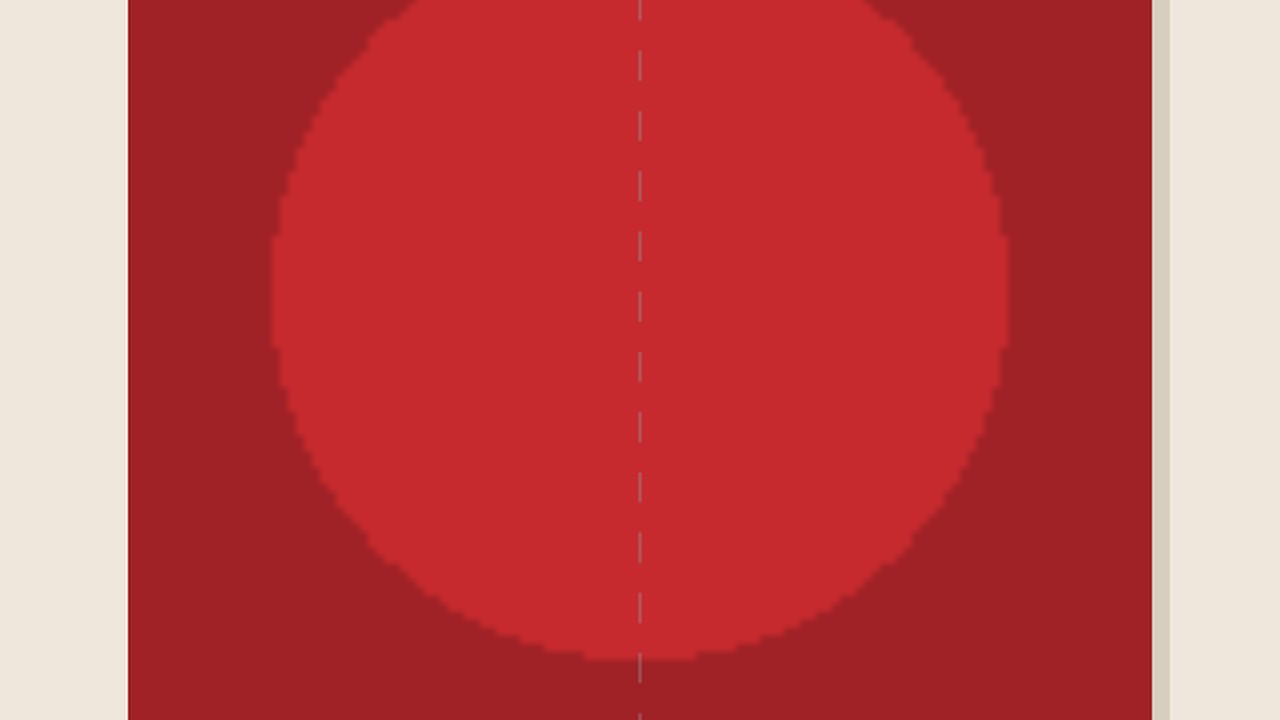
The concept sheets are generated first and the build is audited against them region by region until they agree. The concept also settled a design argument: the guide marks belong ON the folded paper, not behind it.
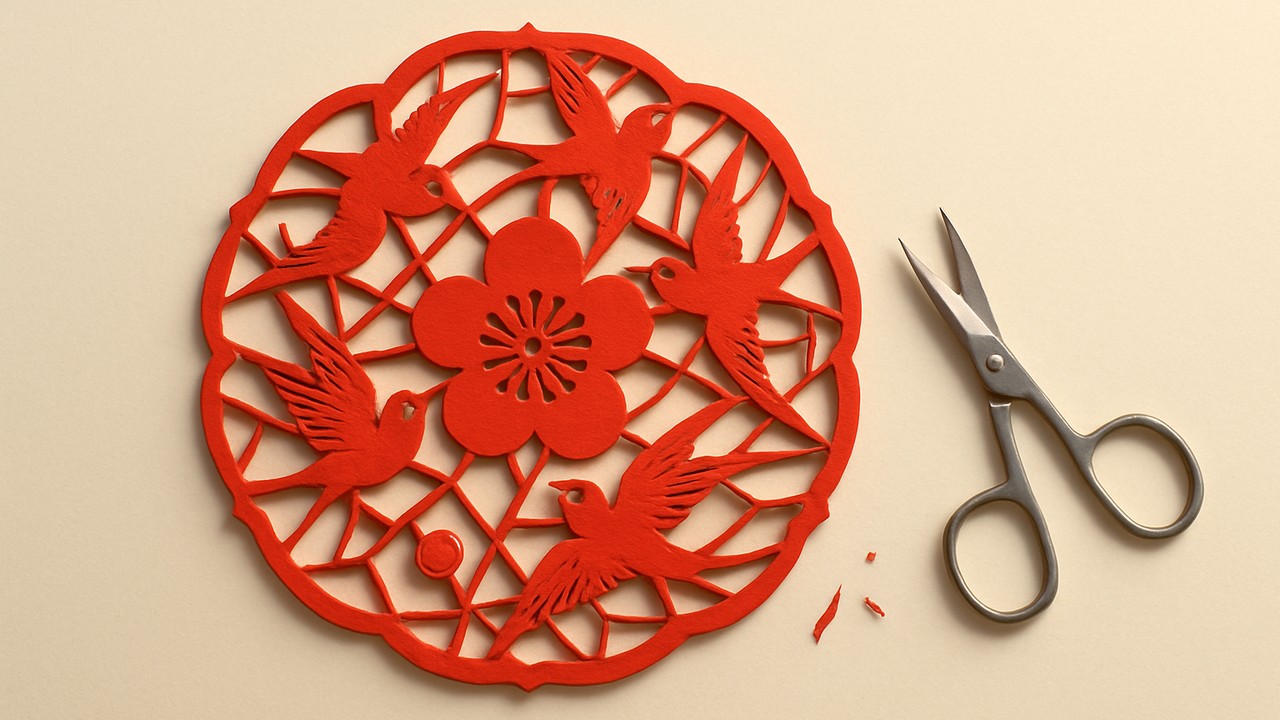
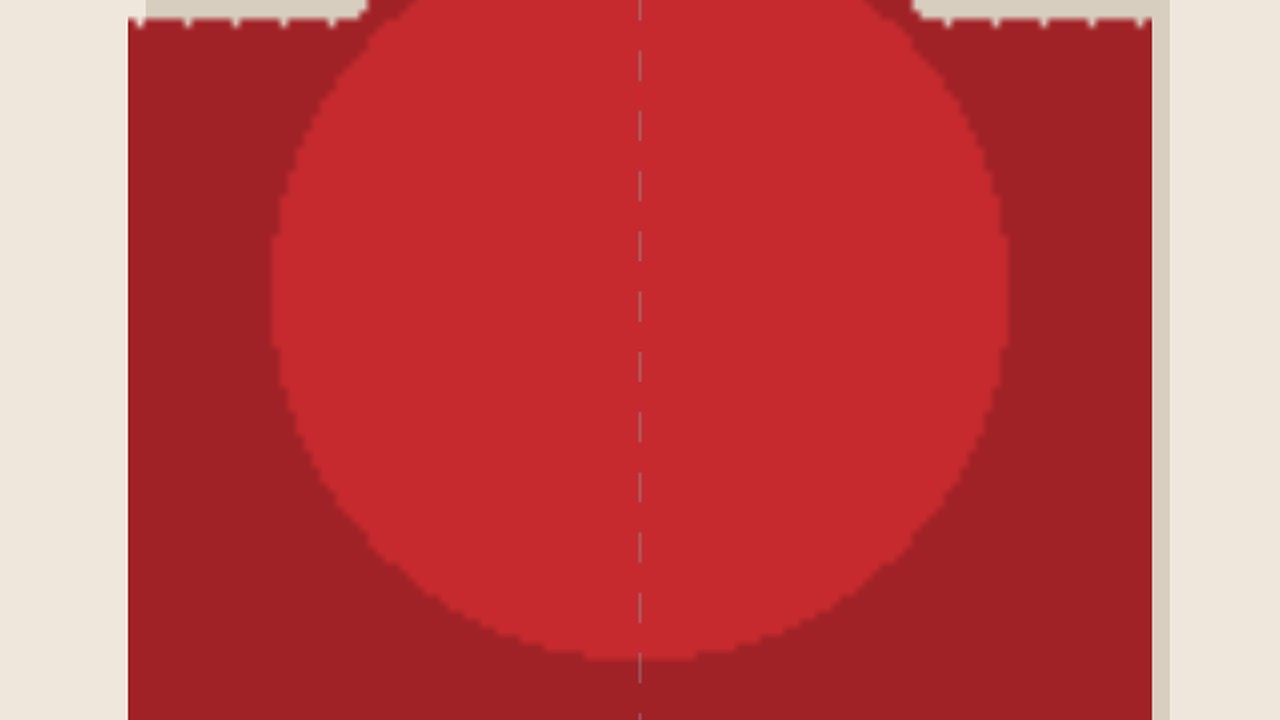
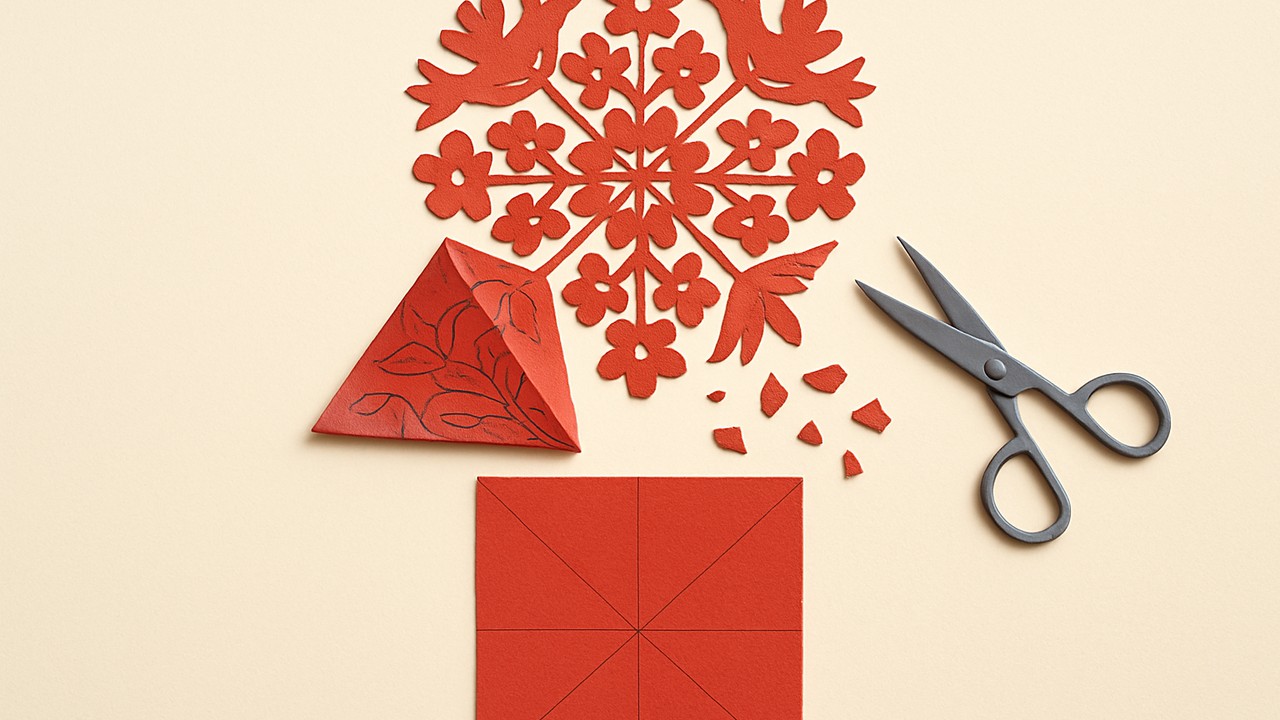
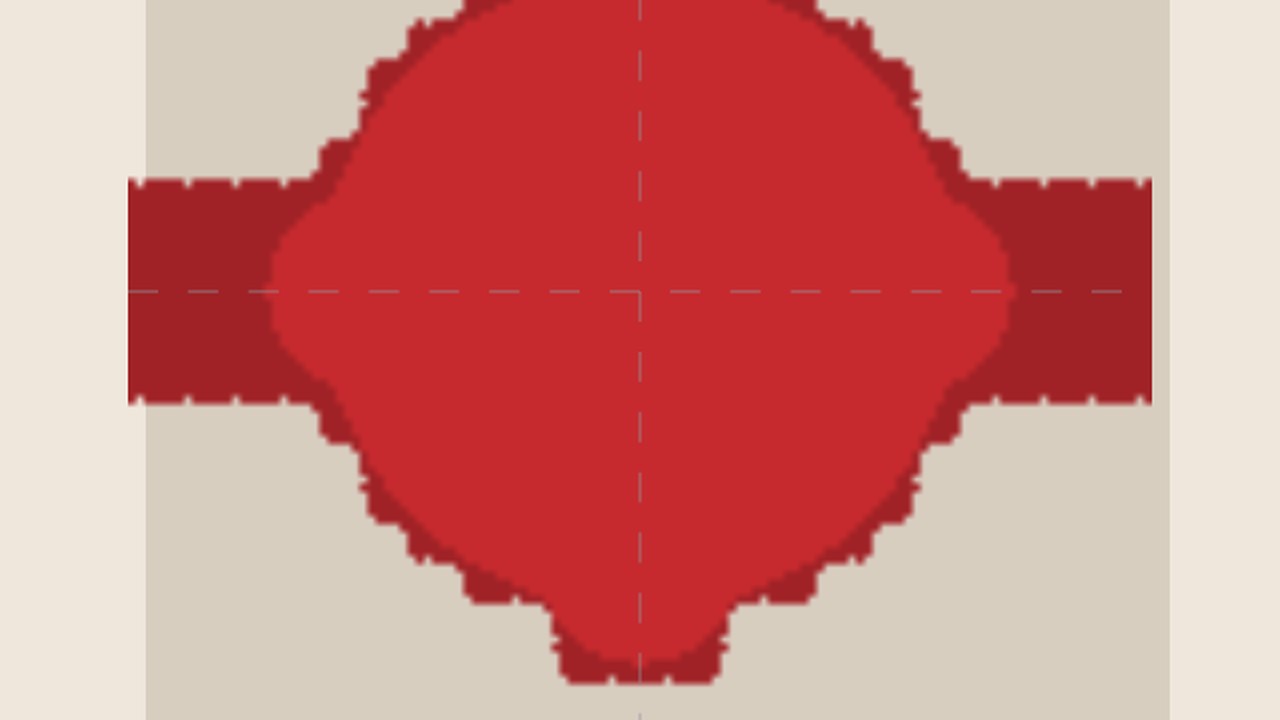
A New Year window-flower is cut folded, so you never see what you are making until you open it. Every stroke is copied two, four or eight times by the folds — which multiplies your skill and your mistakes at exactly the same rate. Cut through a bridge and that piece drops off the sheet; cut through the middle and the whole thing falls apart. Nine folds, built end to end by AI agents on Cocos Creator, headless on Linux.
Drag on the paper to cut — mouse or touch · SPACE or U unfolds when you are happy · R restarts the fold · P pause · M reduced motion · N mute
Payload 2,165,119 B raw / 749,061 B gzip · loads and plays in a few seconds · portrait, desktop and phone
The concept sheets are generated first and the build is audited against them region by region until they agree. The concept also settled a design argument: the guide marks belong ON the folded paper, not behind it.
The full nine-fold loop played to completion in flat primitives before a single sprite existed — but the SHEET was real from the first frame, because the whole design rides on it. The blind readability check ran here too: what am I cutting, where will it be copied, and what am I aiming at.
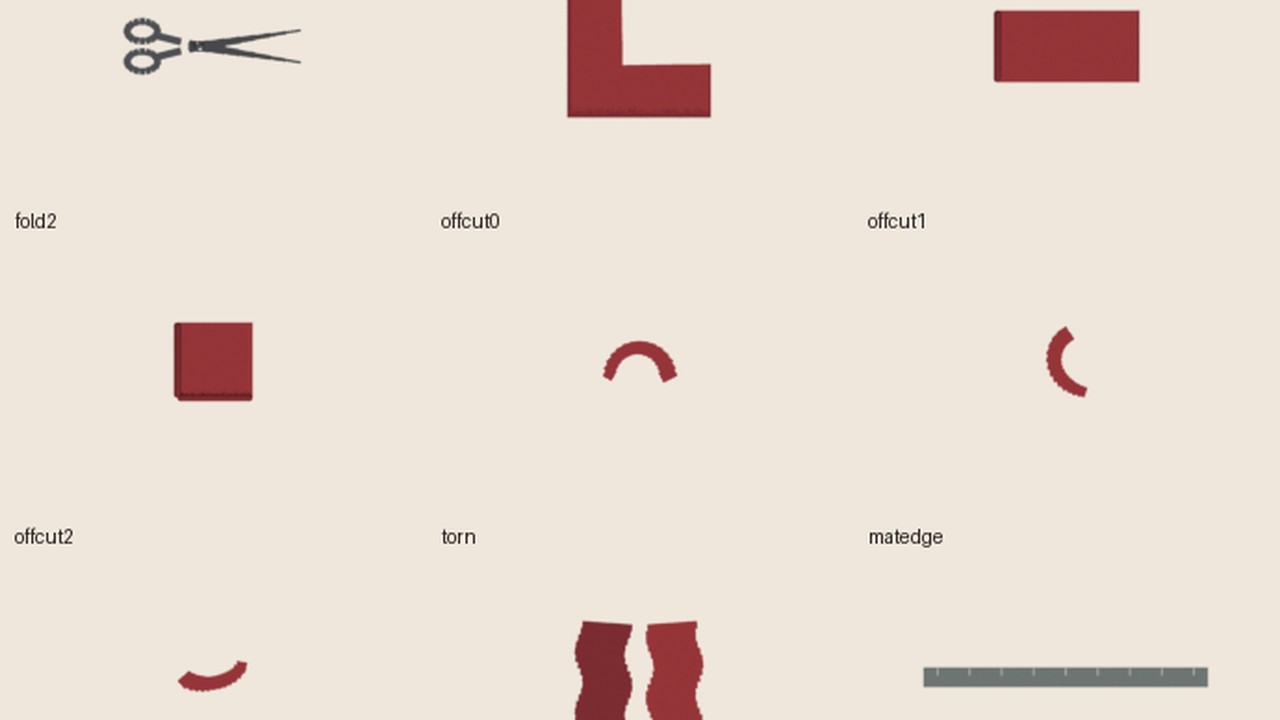
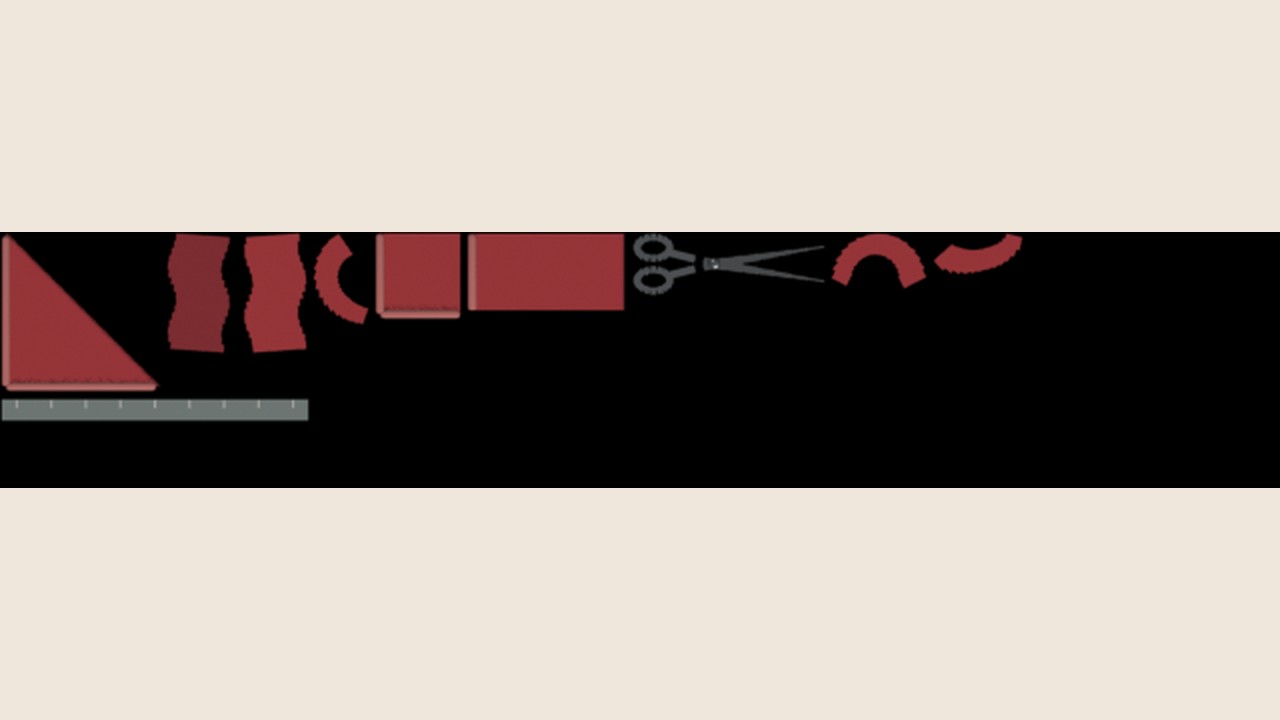
Nine physical props are code-modelled in Blender and rendered top-down at 96 px per metre, each with a matching camera-space normal pass. The sheet is deliberately absent from this atlas — it is generated, so it cannot be a sprite, and that is also why the whole atlas is under 50 kB.
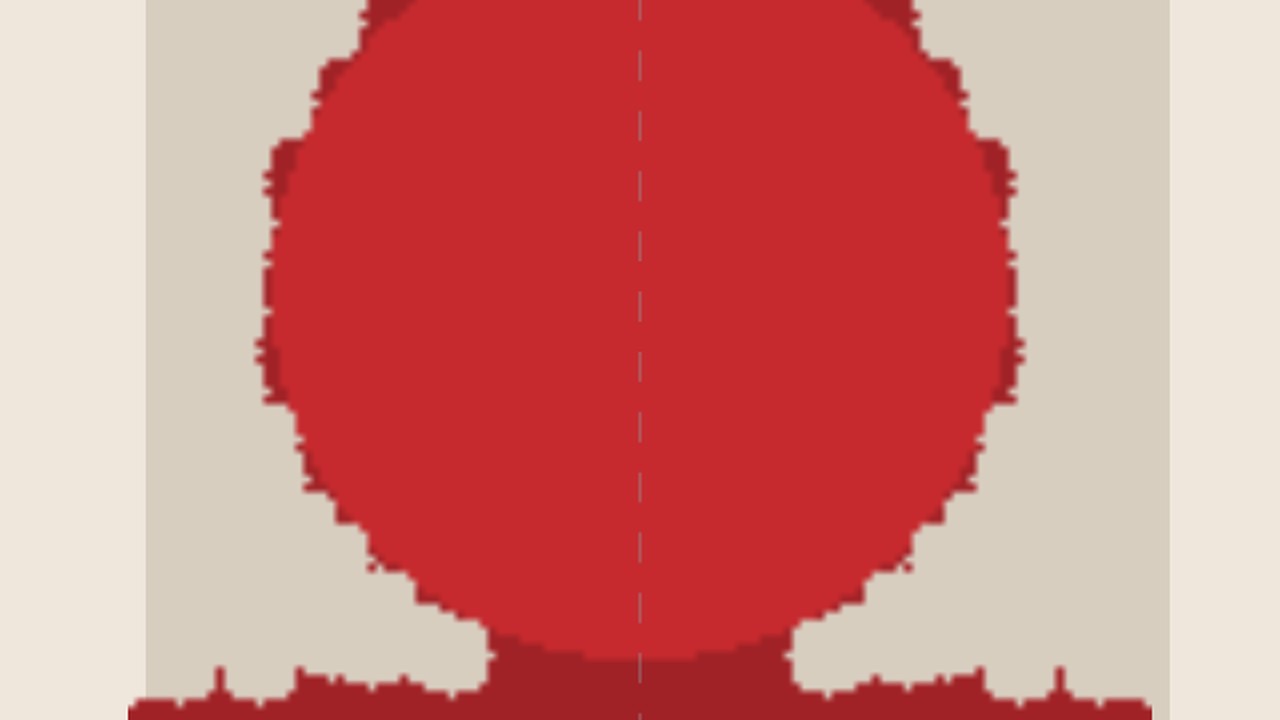
A cutter that never ruins the paper cannot prove the destruction rule, so the audit ships a second, deliberately named stress probe that cuts straight through the middle. It is a stress probe, not a simulated player, and it fails the build unless the piece actually falls apart.
Every number is measured on the build that shipped, with its conditions. Generating the art at runtime turns out to be a SIZE strategy as much as a mechanic: this is the lightest piece the lab has shipped.
| Measurement | Value | Condition |
|---|---|---|
| WeChat main package | 2,248,318 B (2.14 MiB) | 53.6% of the 4,194,304 B cap — the lab's lightest piece |
| Headroom remaining | 1,945,986 B | 46.4% of the cap, unused |
| Engine core | 1,550,920 B | 15 modules, minified; no physics this cycle |
| Prop atlas | 49,957 B | albedo + camera-space normal, 640×128 |
| The sheet's art cost | 0 B | generated at runtime; cycle 2's atlas was 283,524 B |
| Audio | 212,203 B | 5 mono MP3s from sampled instruments |
| Unused fonts pruned per build | 868,140 B | 20.7% of the cap the builder ships by default and this piece does not use |
| Web build | 2,165,119 B raw / 749,061 B gzip | web-mobile target |
| Match, nine folds | mean 84%, worst 69% | 94/90/90/87/69/84/81/80/85, autopilot, both viewports |
| Verified playthrough | 9/9 folds, 0 errors | desktop 1280×720 and phone 390×844, Playwright |
| Device verification | PENDING | WeChat devtools are Windows/macOS-only; see below |
What is not proven. This piece has never run on a handset. The WeChat package is structurally valid and the same code plays cleanly under headless GL, but that proves coherence and rendering, not that it boots inside WeChat. That needs operator-side credentials and a device, and until then the claim is not made.
Cycle 1 earned the engine with a custom lighting shader and cycle 2 with real Box2D bodies. This one earns it by generating its own texture every time you cut.
The sheet is a 128×128 cell grid re-baked and re-uploaded to the GPU as you cut it.
No DOM on this tier, so reset() + uploadData() is the only route that reaches the GPU.
One stroke becomes 2, 4 or 8 through the dihedral group of the folded stack.
Anything the centre can no longer reach falls away as an offcut, every time the scissors lift.
Every motif is asserted to be one connected piece, or the round would be unwinnable.
A soft frontal window key rakes the props' camera-space normals so paper reads as paper.
128×128 cell sheet folds 2 / 4 / 8 brush 3–5 cells 9 folds 96 px per metre atlas 640×128 match scored as IoU bridge rule = flood fill from centre